1/350 Scale Cabo Odger OPV-84
| Reviewed
December 2025
by Felix Bustelo |
||||||||||||||||||||||||
| HISTORY | ||||||||||||||||||||||||
|
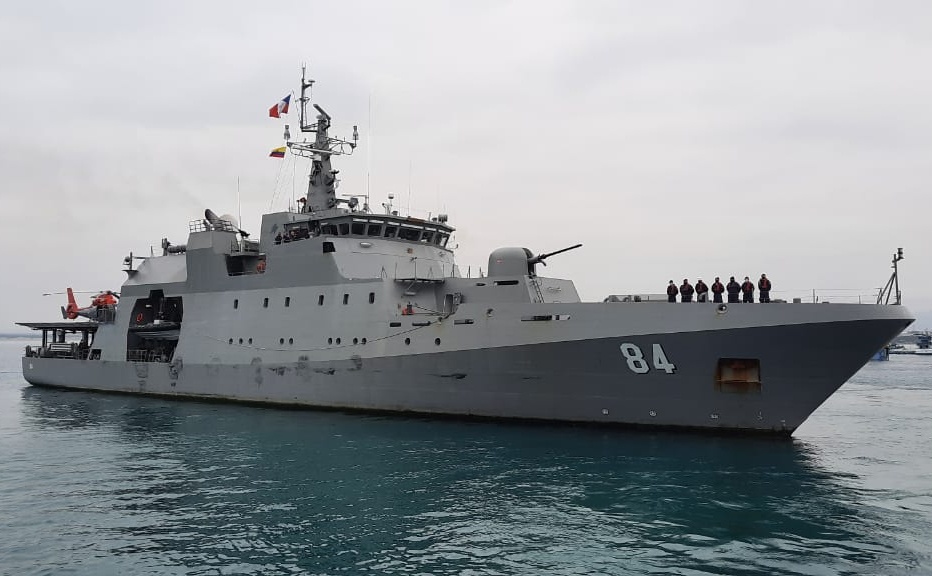
The OPV-80 class is a class
of offshore patrol vessels that are currently operated by the Chilean Navy
and Colombian National Navy. The design of the OPV-80 class was developed
by Fassmer GmbH & Co. KG, a German company, to meet the Chilean Navy's
requirements. The vessels were built at ASMAR, a Chilean state-owned shipbuilding
company. The class is called OPV-80 because the ships are 80 meters in
length, or about 264 feet. The hull and superstructure of the vessel are
made of steel, while the wheelhouse is constructed using marine-grade aluminum.
The main gun fitted on the bow deck is an Oto Melara 76mm gun. The vessel
is also armed with two 12.7mm machine guns. There is a helicopter flight
deck and hangar facilities aft.
Four vessels have been commissioned and are operated by the Coast Guard Service of the Chilean Navy to conduct patrol missions in Chile's exclusive economic zone (EEZ). They can also be deployed for maritime surveillance, maritime interdiction, surface warfare in low-intensity conflicts, search-and-rescue (SAR), fisheries protection, and pollution control. Colombia has commissioned three vessels, all built at the COTECMAR shipyard in Cartagena. Cabo Odger (OPV-84) is the fourth ship in the class built for the Chilean Navy. The keel for the OPV-84 was laid in July 2015. The vessel was launched in August 2016 and commissioned into service in August 2017. The first, second and third OPVs in the series were commissioned between 2008 and 2014. |
||||||||||||||||||||||||
| Yacare Scale Models Cabo Odger OPV-84 | ||||||||||||||||||||||||
|
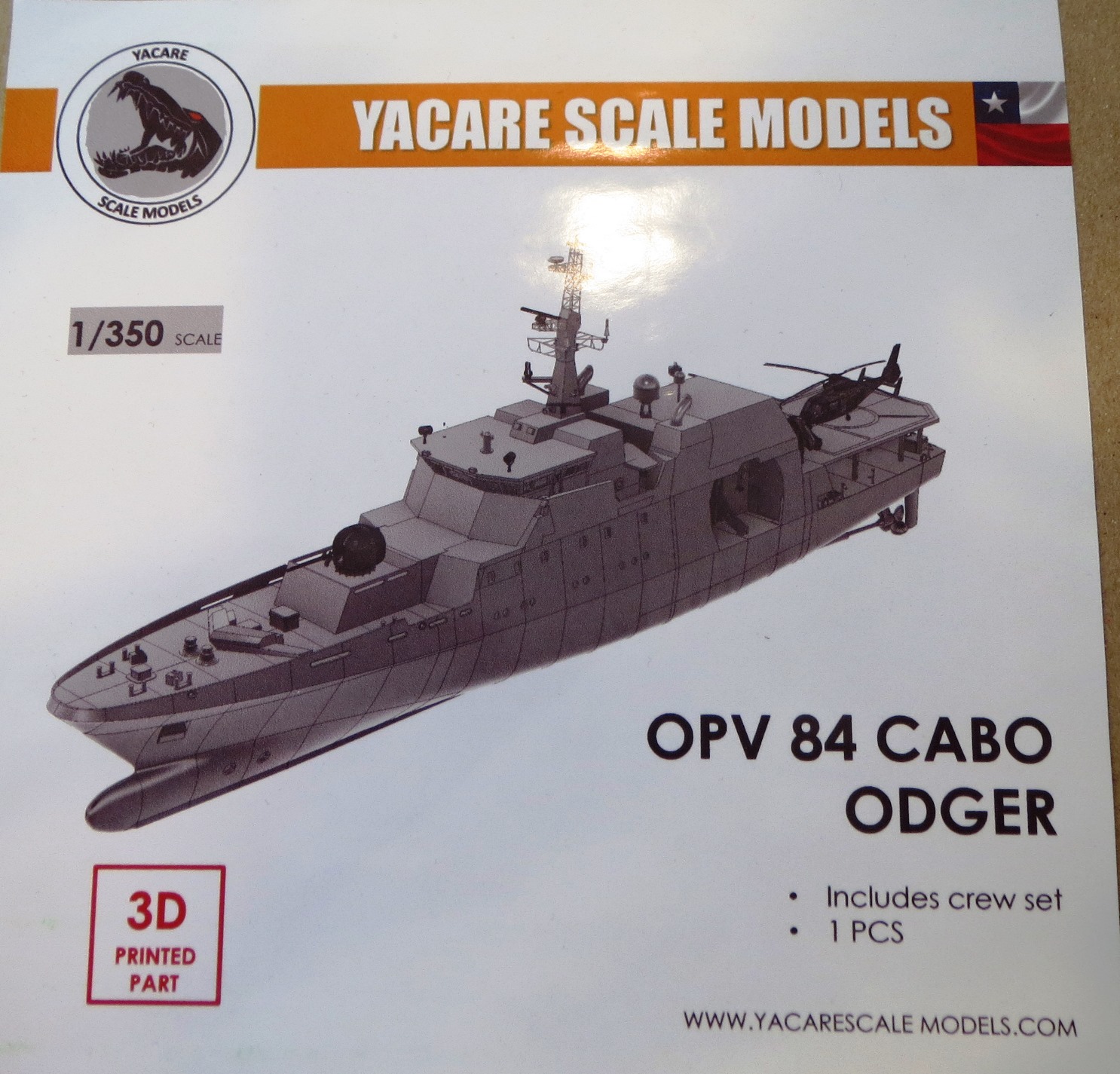
Yacare Scale
Models is a 3D kit producer based in Chile, which focuses naturally on
ships that have served or are currently serving in the Chilean navy, which
a few serving in other navies. They offer kits in various scales. The Cabo
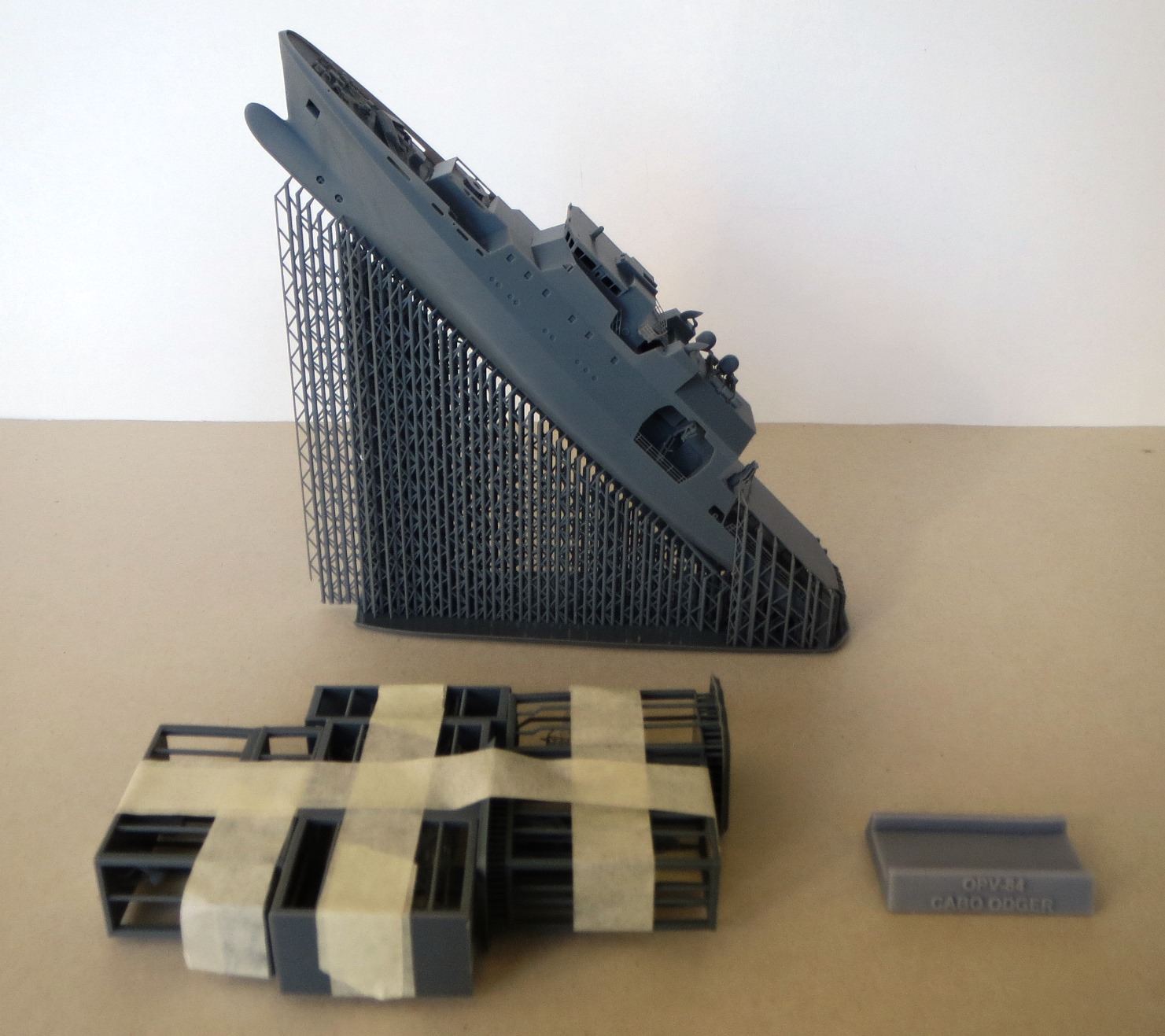
Odger OPV-84 kit is comprised of a 3D printed full hull, several smaller
parts, crew figures and a base. The contents come in a sturdy flip-top
box, with the contents cushioned inside bubble wrap. Assembly instructions
are also provided in the box.
|
||||||||||||||||||||||||
 |
 |
|||||||||||||||||||||||
| HULL | ||||||||||||||||||||||||
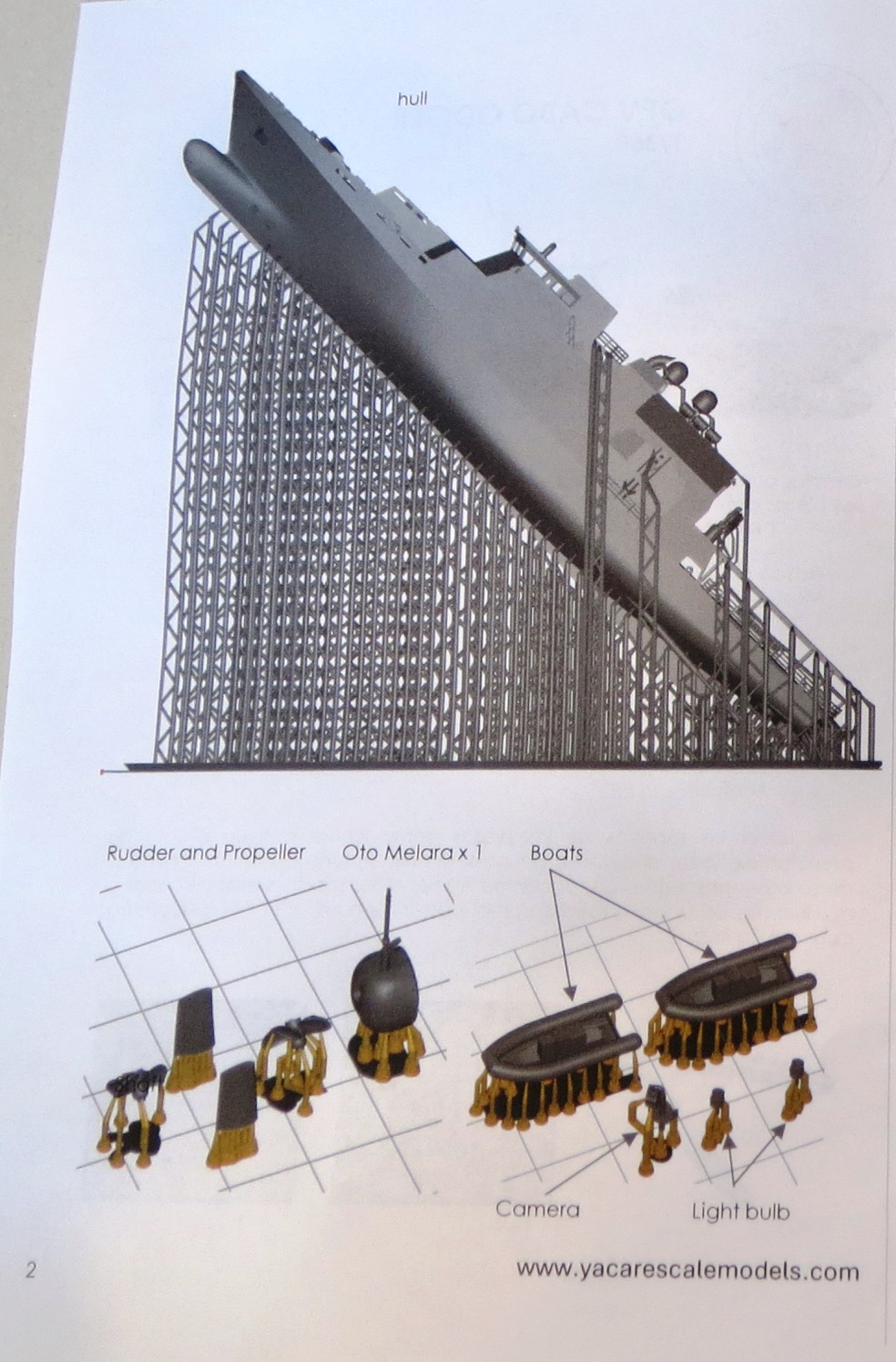
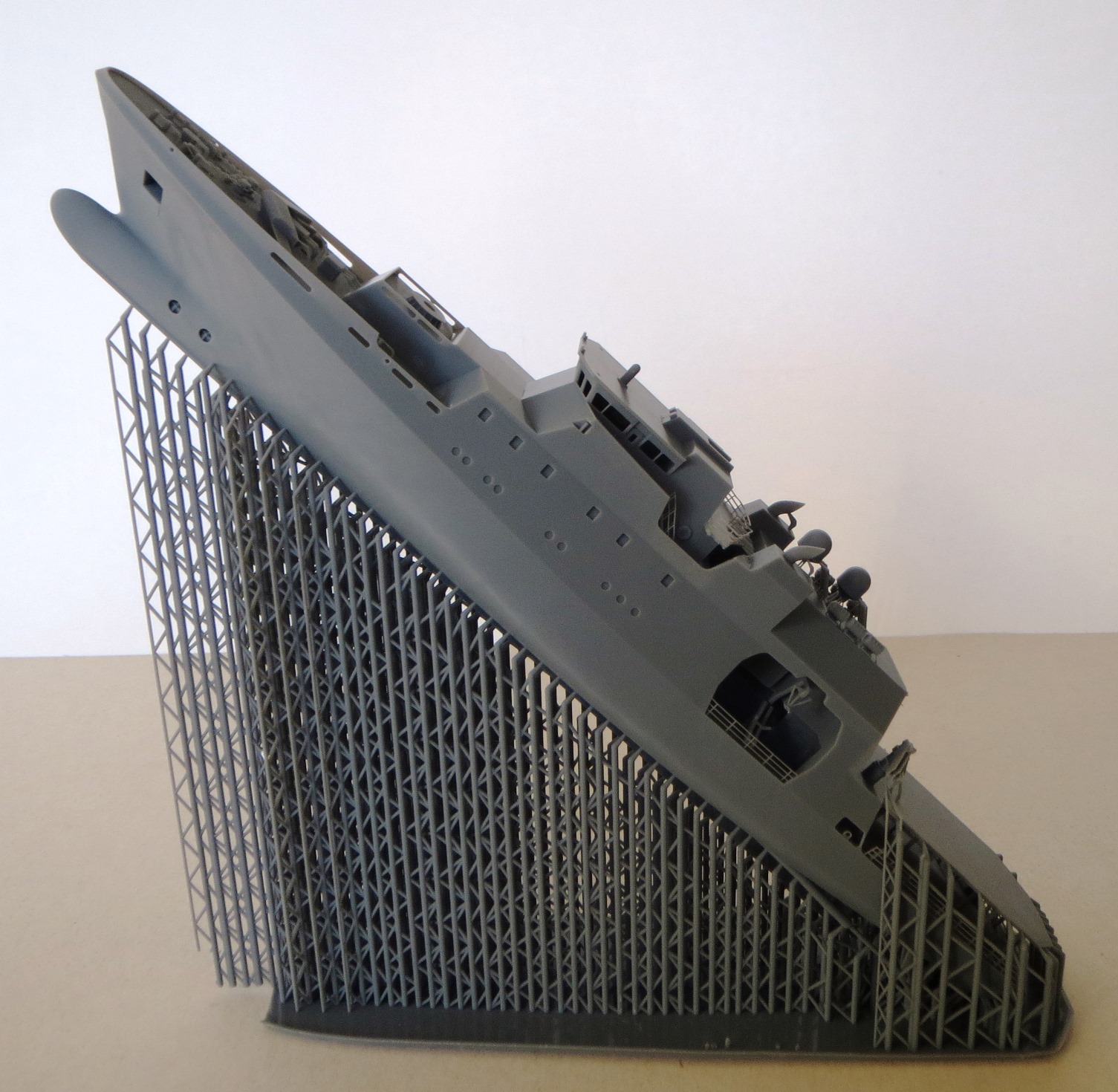
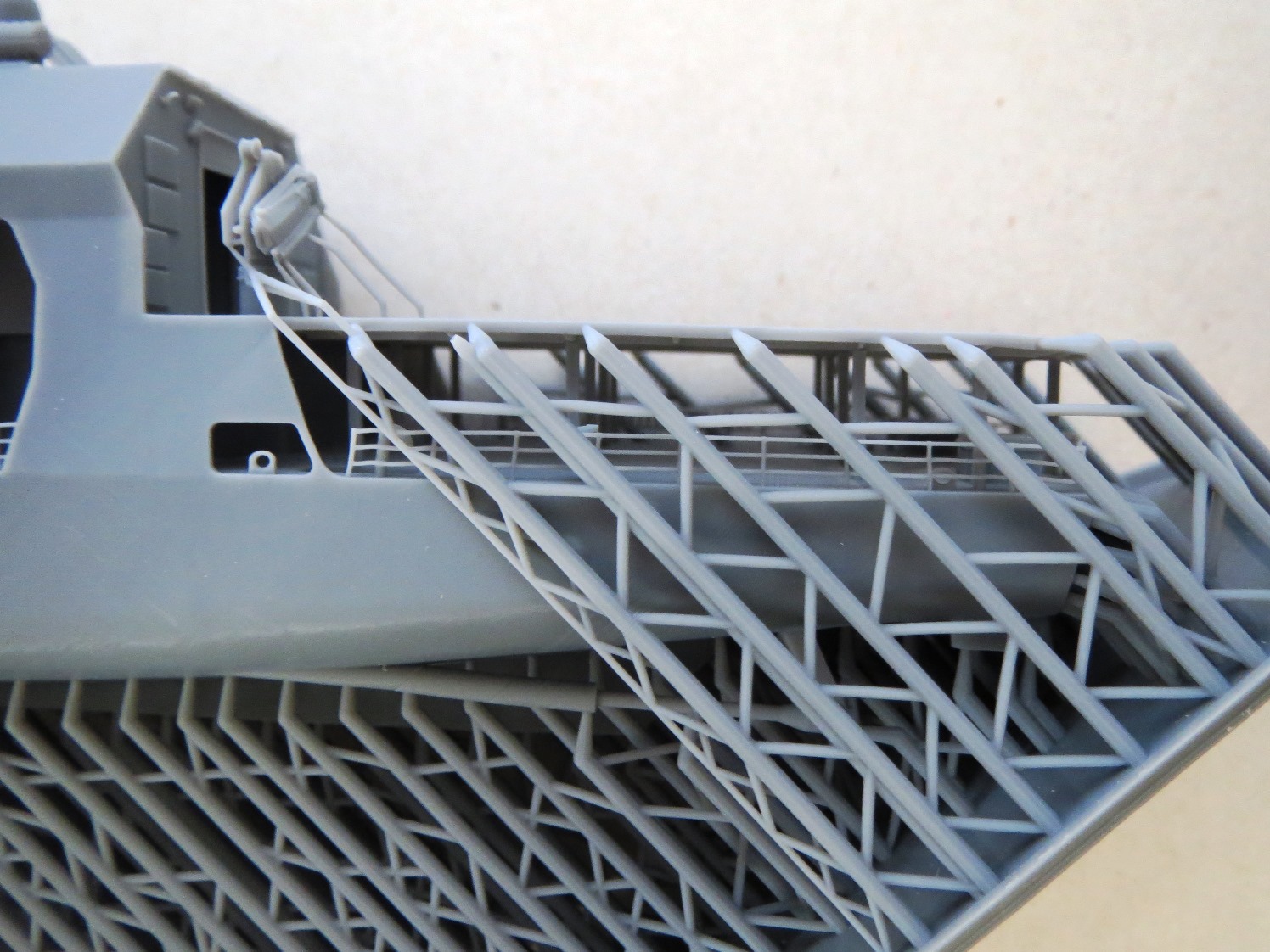
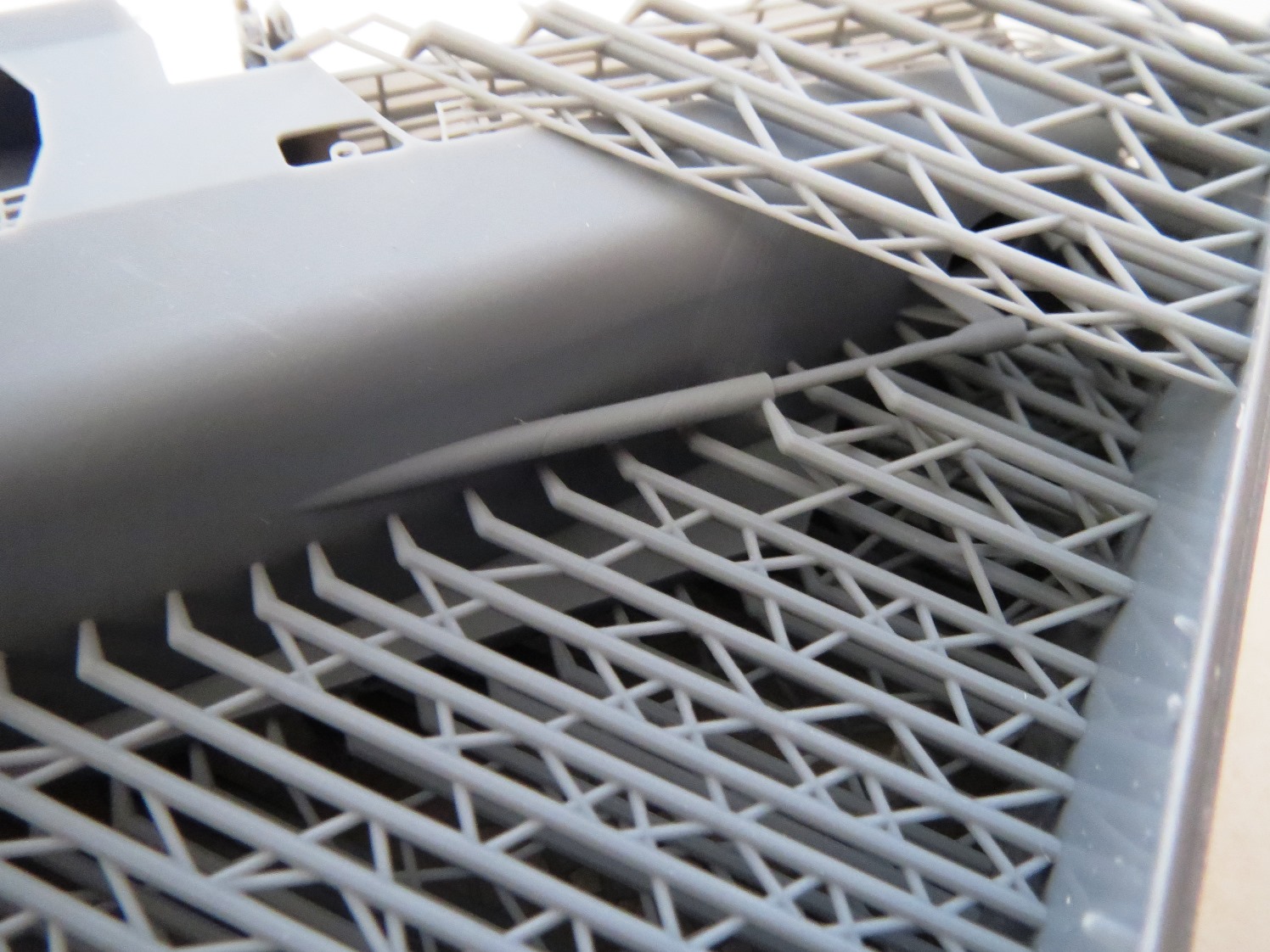
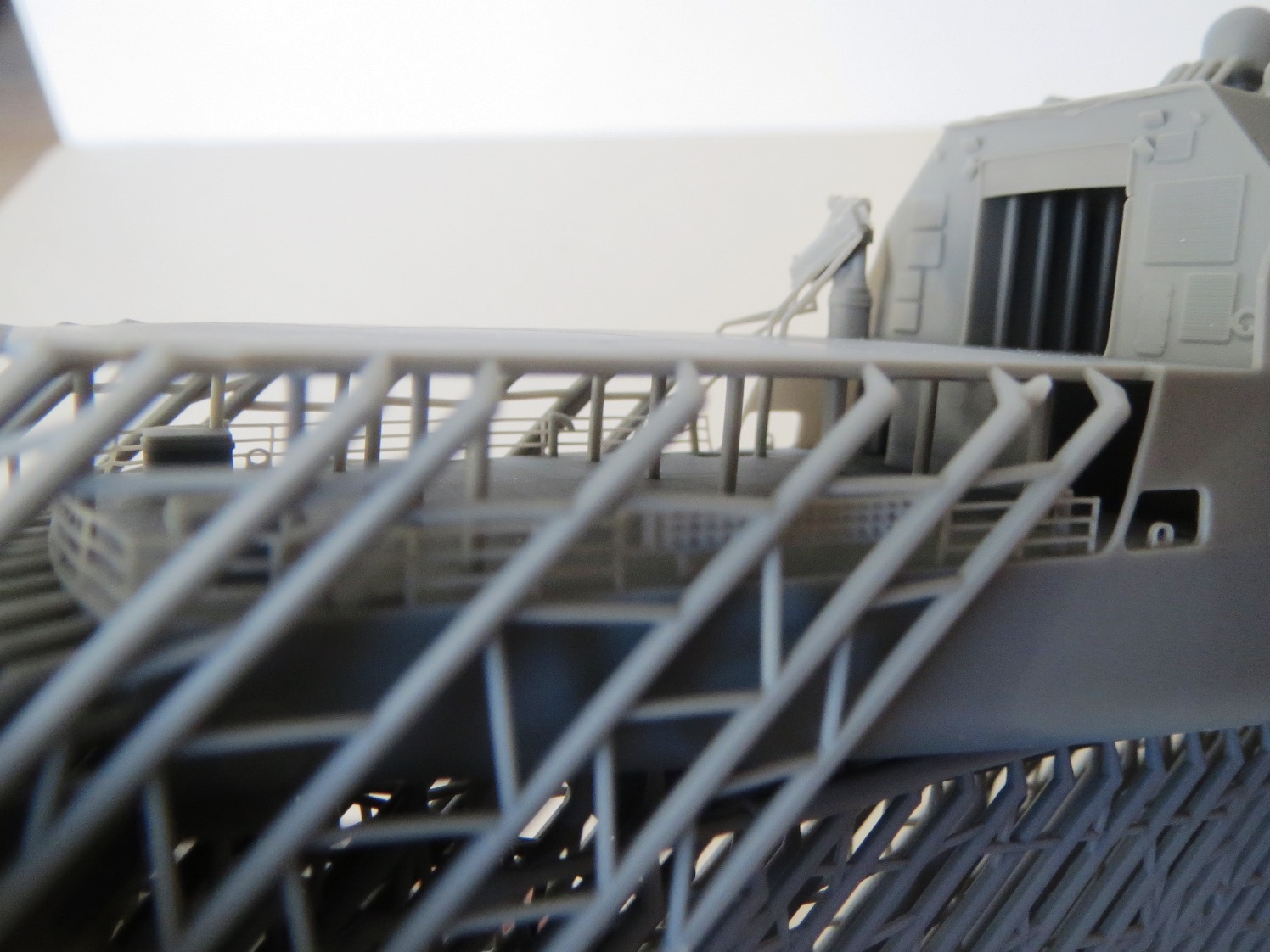
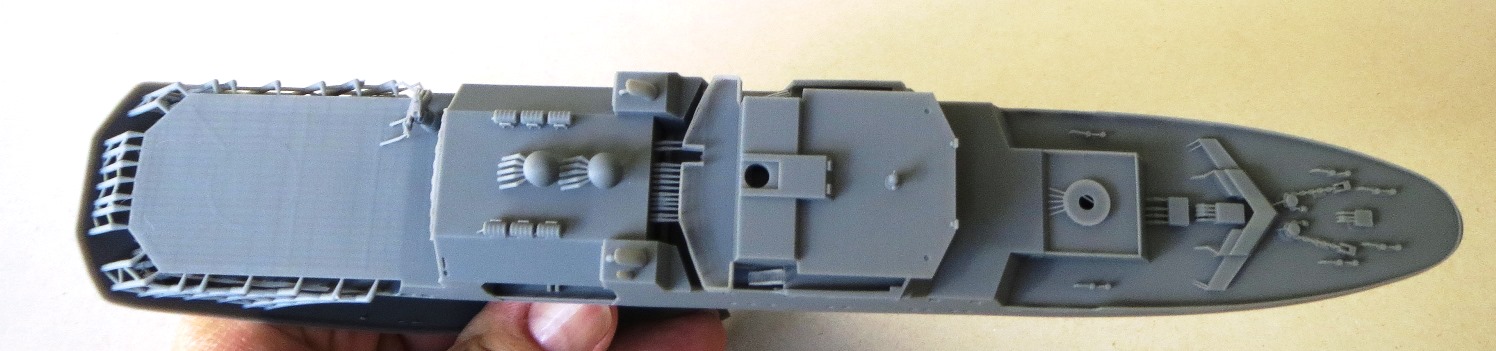
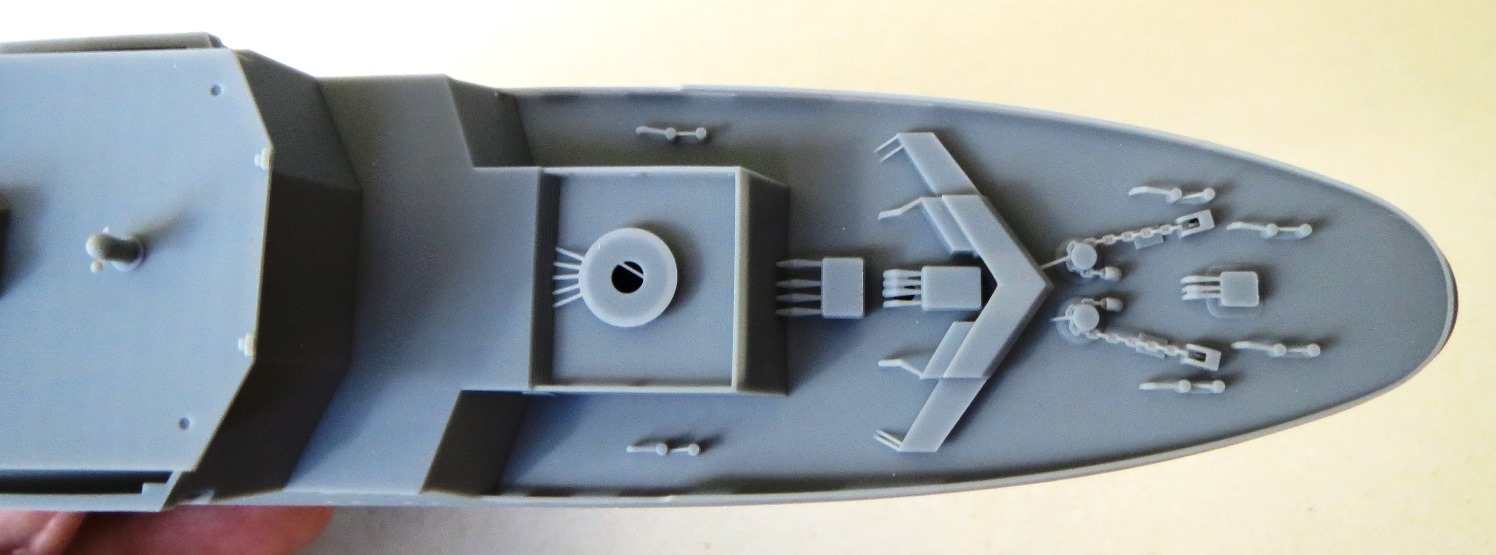
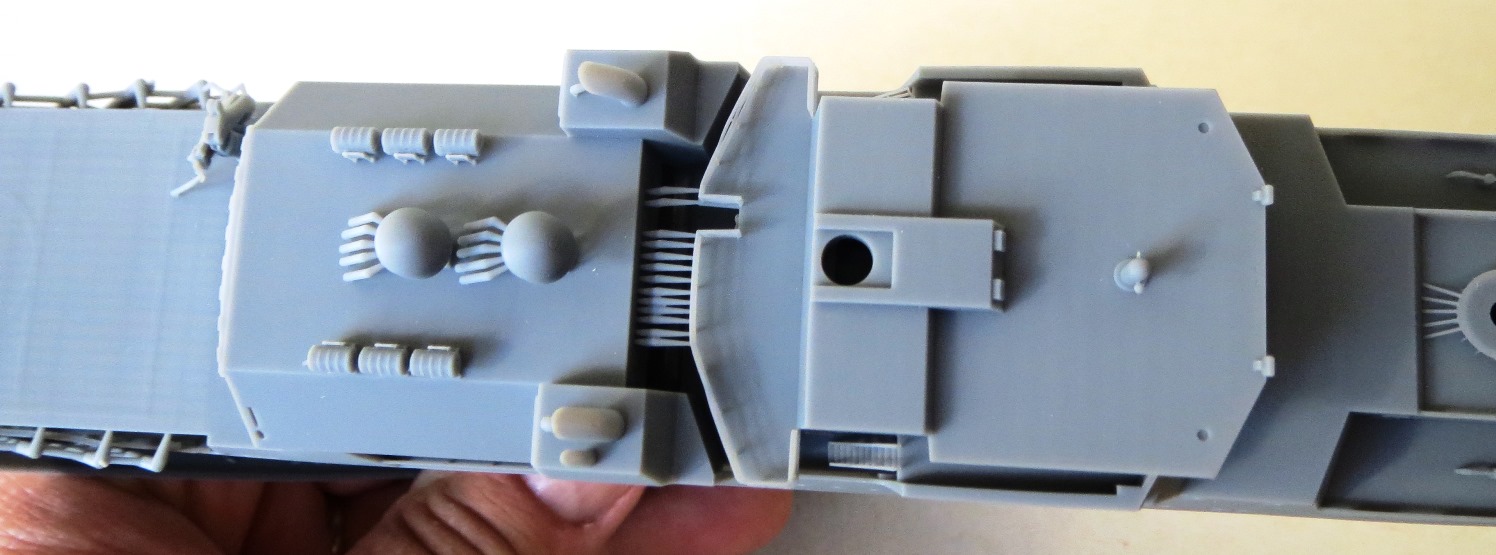
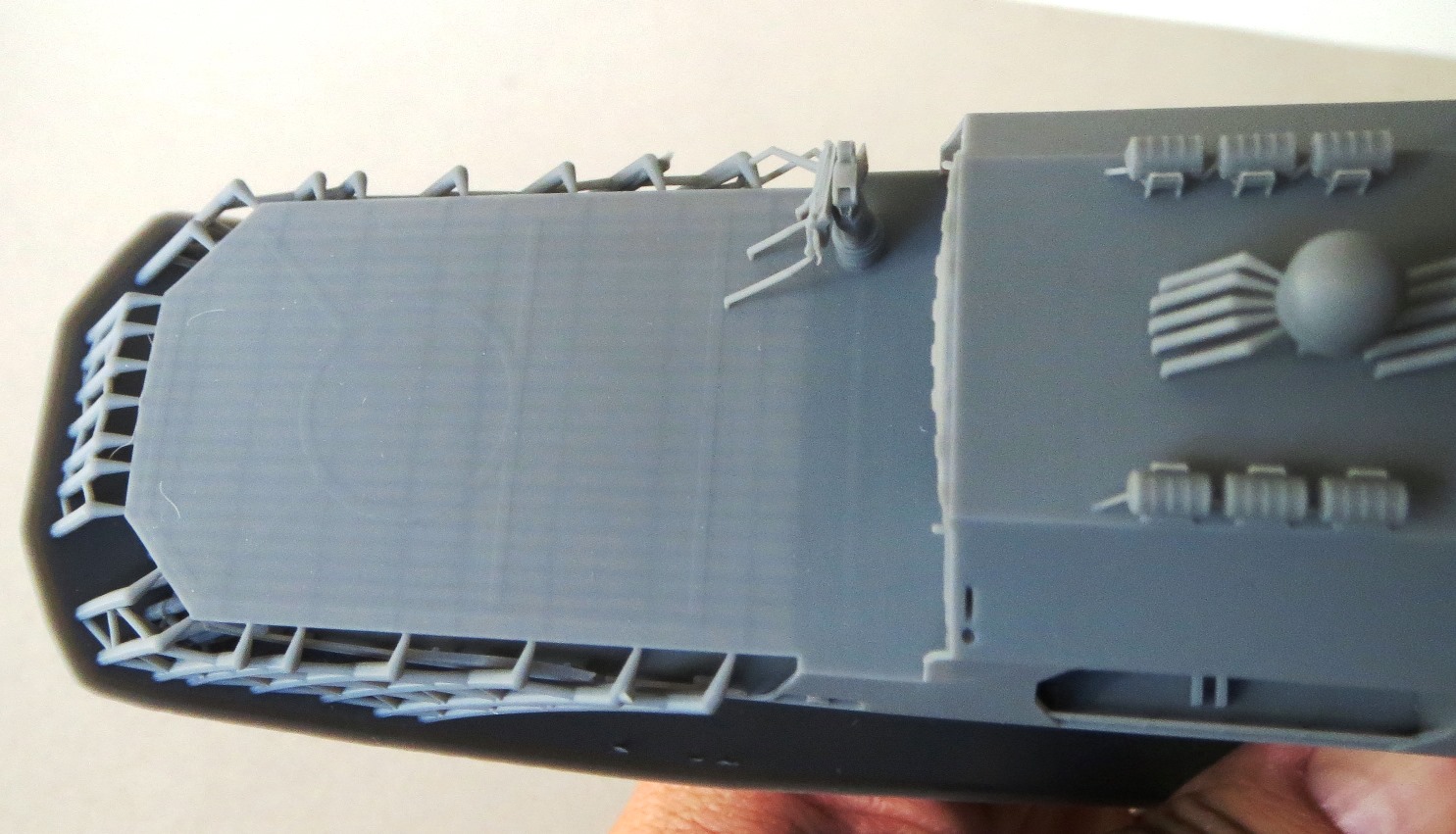
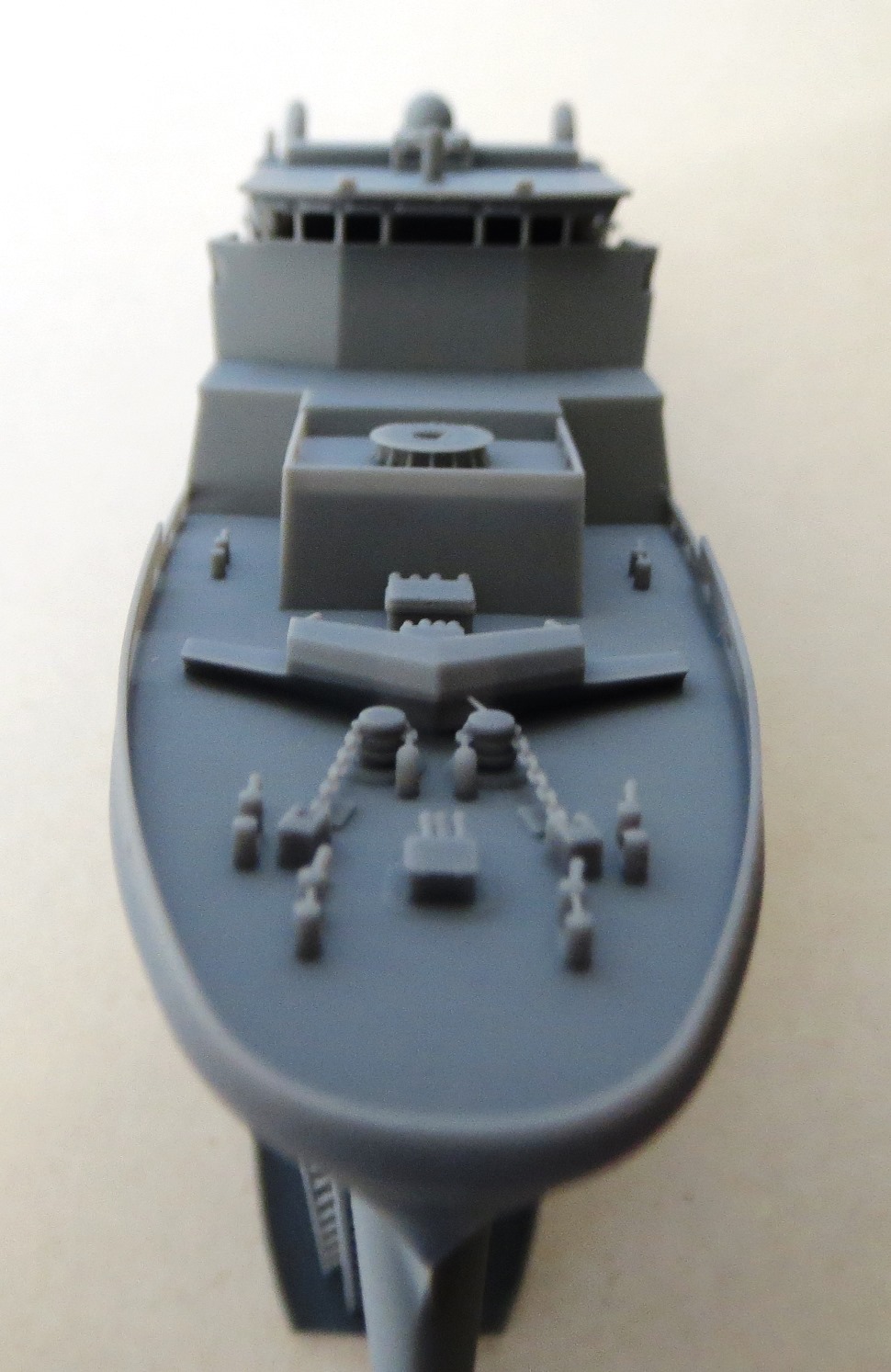
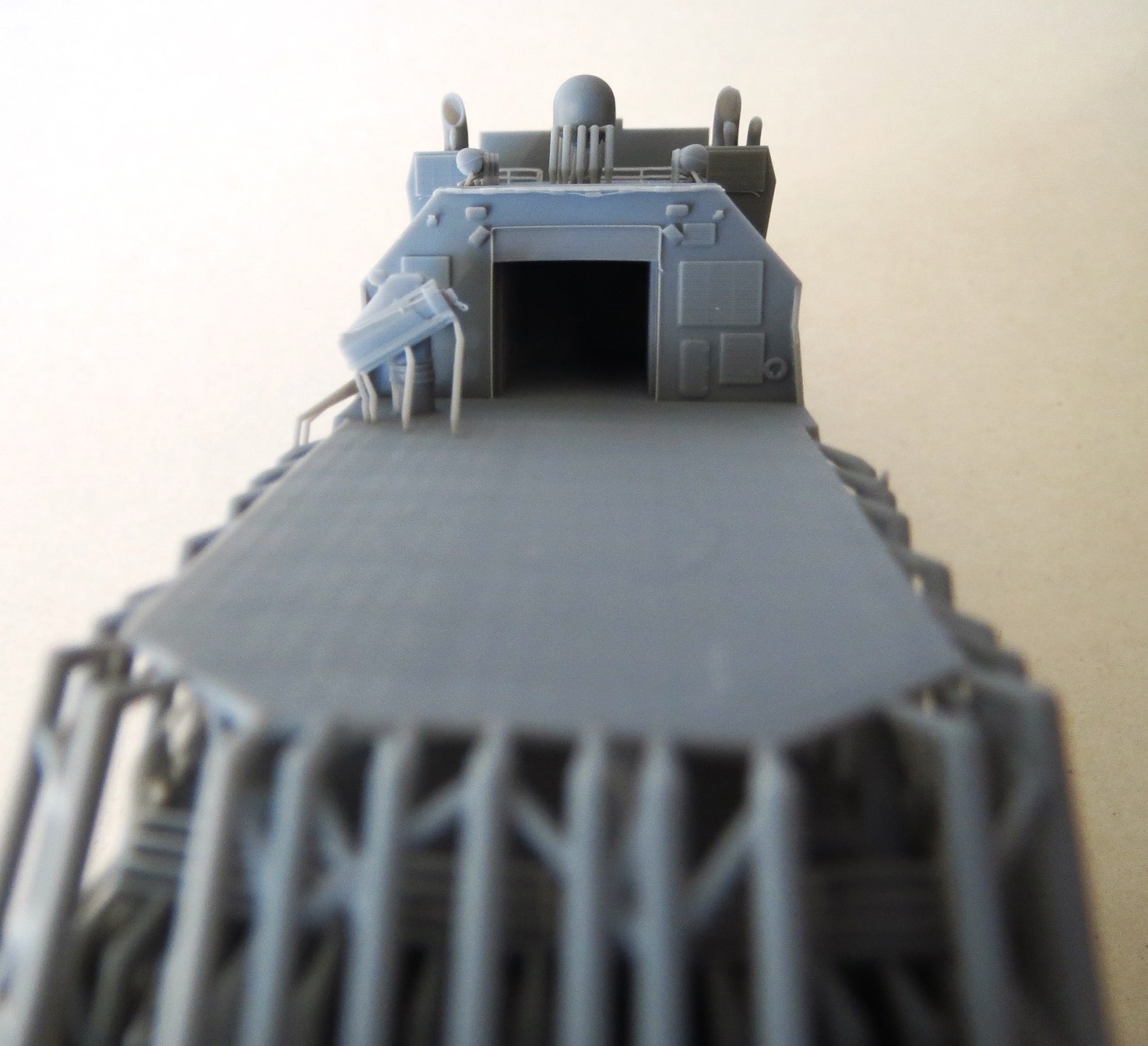
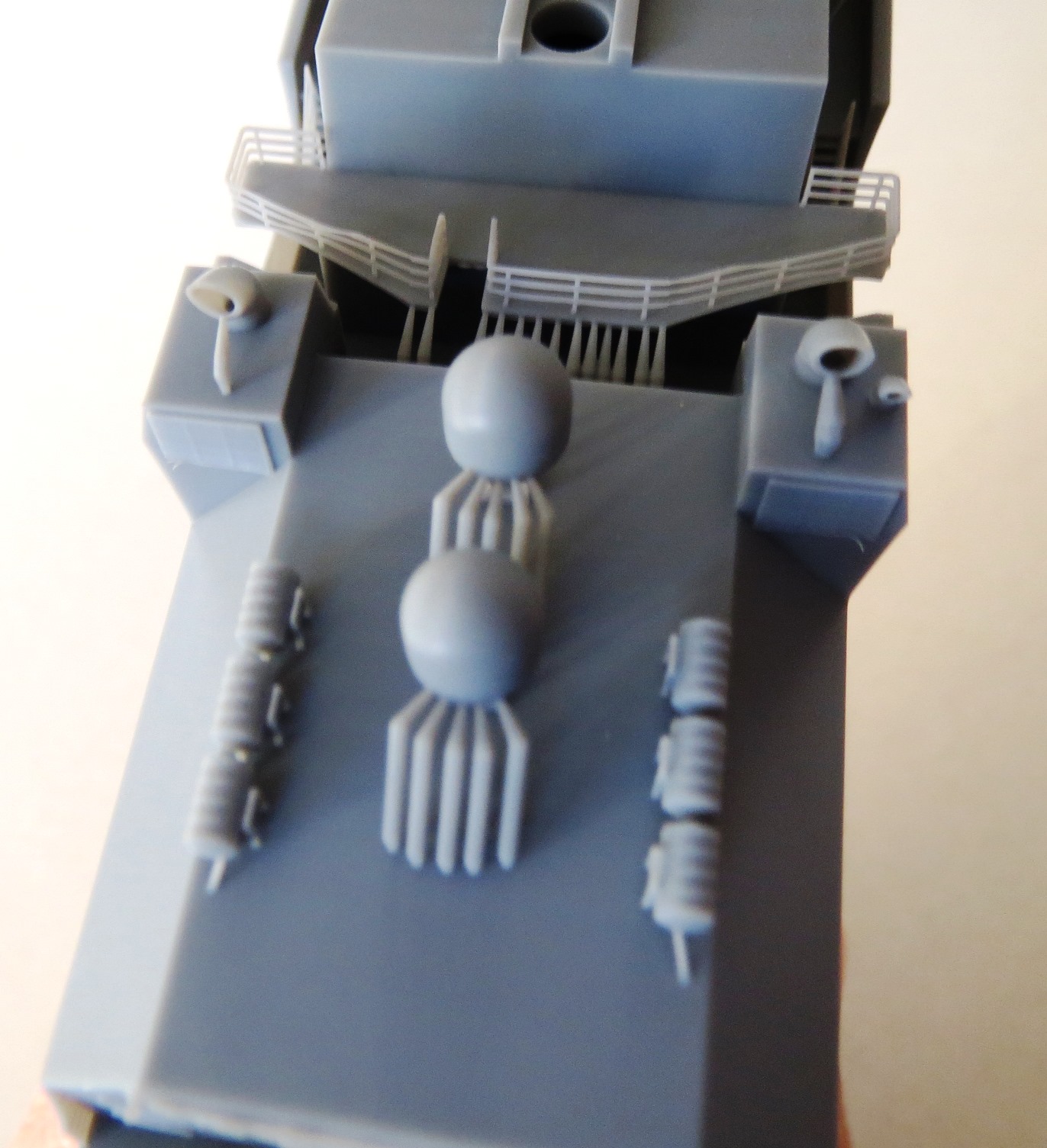
| The 3D printed one-piece full hull
is nicely done and sits on a printing raft with numerous thin attachment
points at the end of the supports holding it to the raft. The hull incorporates
just about everything, including the superstructure, wheelhouse, helicopter
flight deck, funnel exhaust pipes, satcom domes and life raft cannisters
all as one big part. Underneath, the propeller shafts and supports are
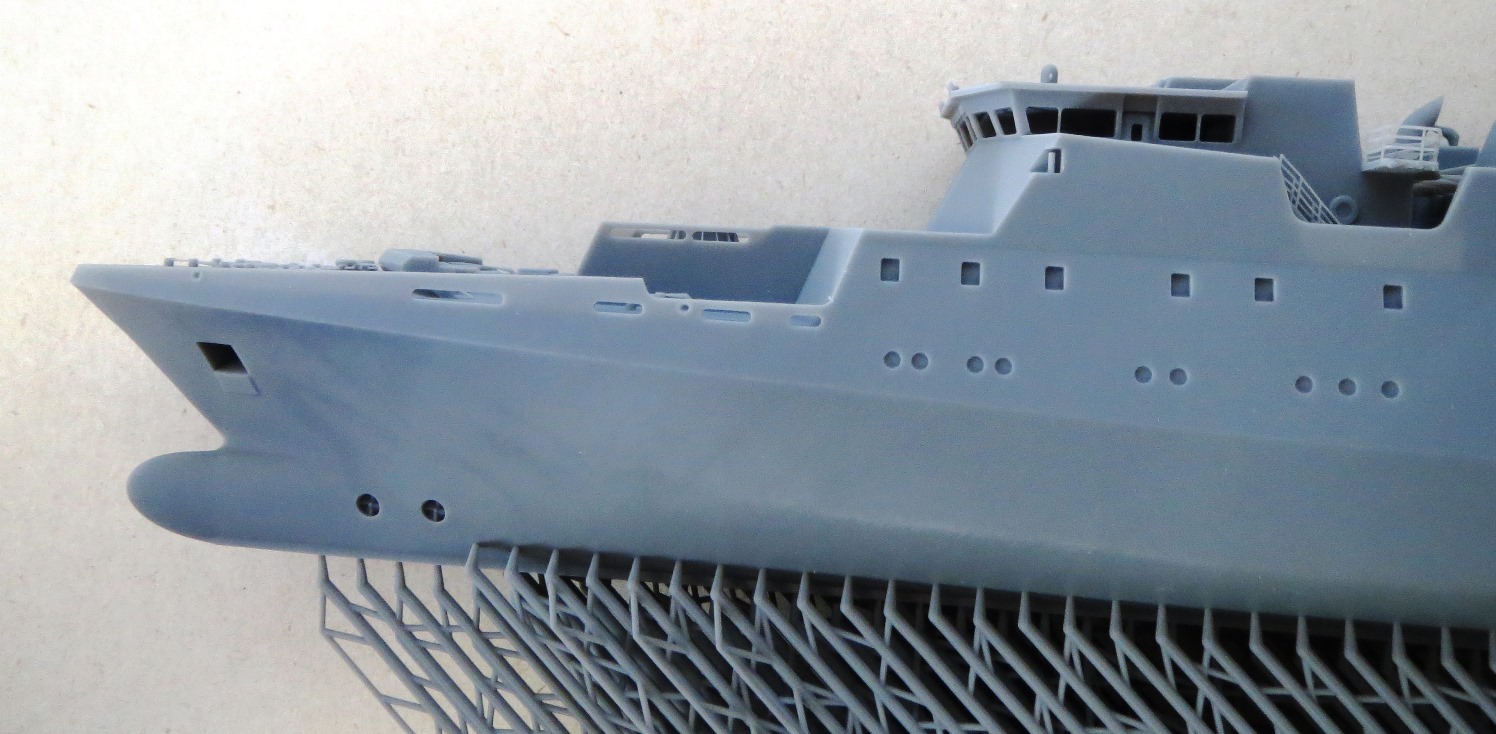
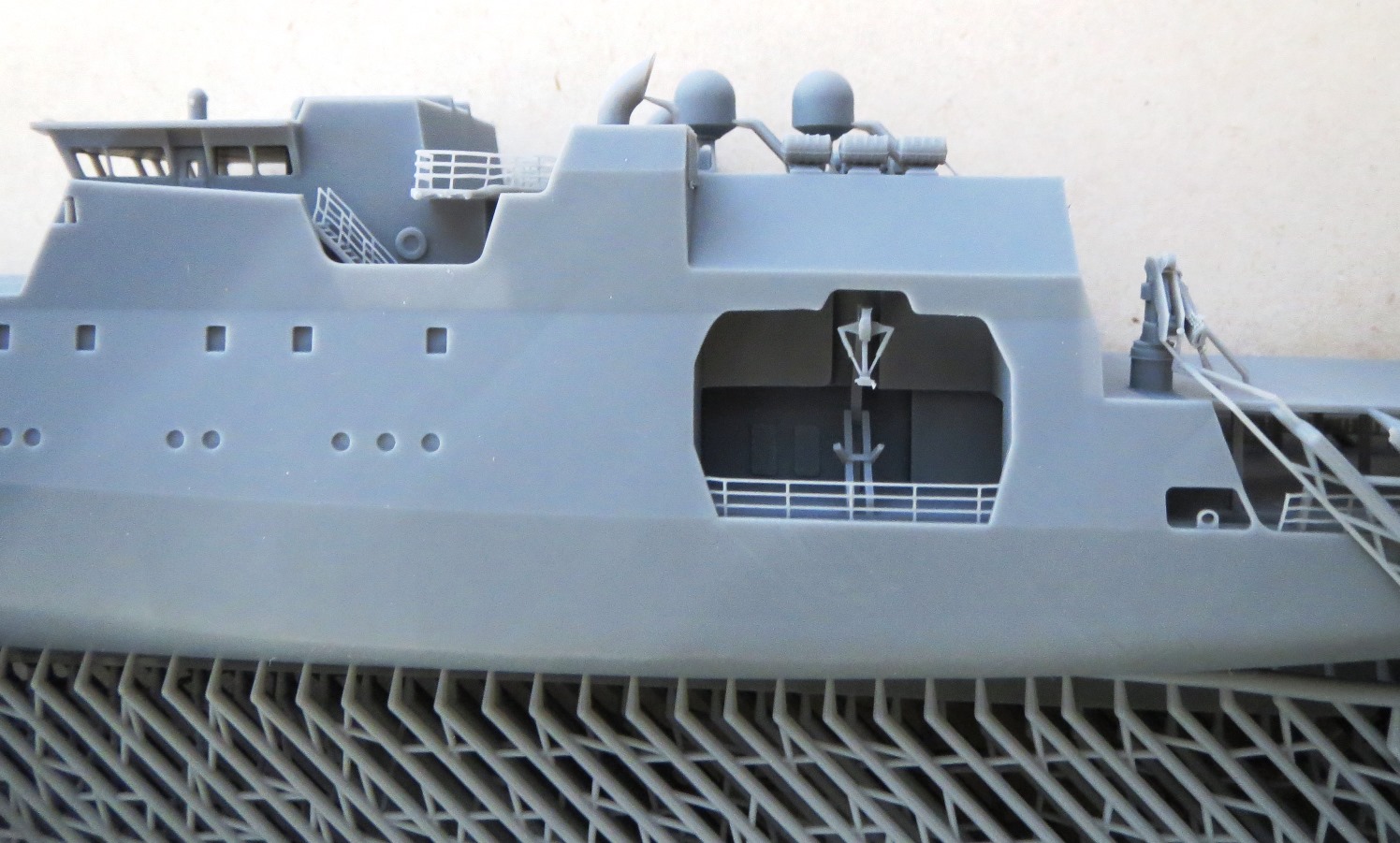
also incorporated in the hull. There is a lot of detail in the hull, such
as portholes and windows, bow thrusters, anchor chains, mooring bits, watertight
doors, vents, the crane on the flight deck and Zodiac storage racks and
handling booms. The hangar, which is open, appears to be nicely detailed
as well. Railings and inclined ladders are also incorporated in the printed
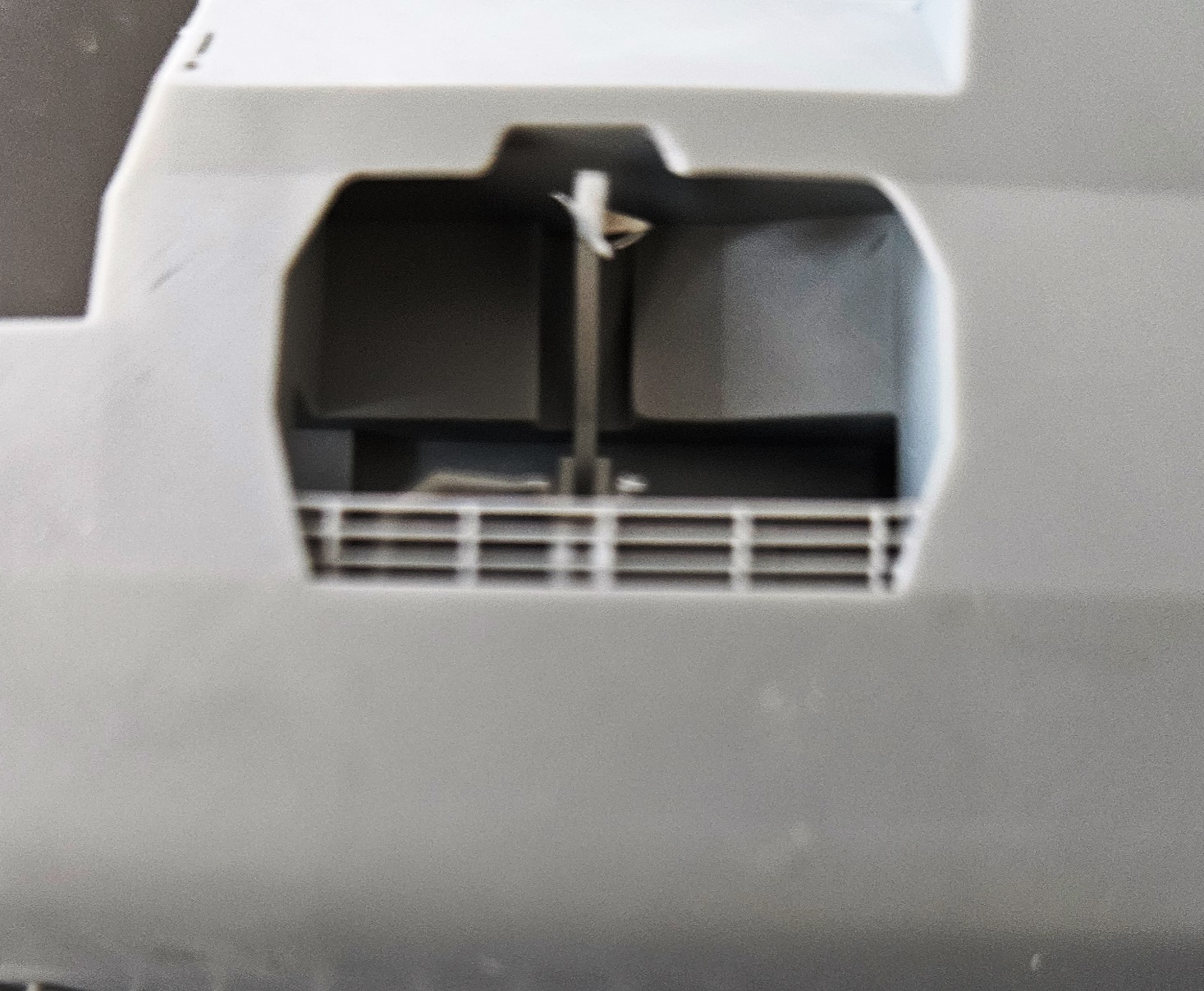
hull. While the hull is cleanly printed for the most part, there are a
few issues and omissions. First off, the anchors are not present in the
openings in the hull and none are provided with the small parts. Amidships,
there appears to be an inclined ladder missing or possibly broken off,
but I didn’t see it loose in the box. On the starboard side Zodiac storage
area, the handling boom looks like wasn’t completed printed when compared
to the port side area.
Having the vast majority of the ship printed as one large part has its pros and cons in my opinion. It does facility assembly not having to deal with many parts, but painting the model will be a challenge masking off the railings without damaging them and some of the other details to paint the deck. Also, painting the deck below the raised flight deck will be very difficult to do. I would have preferred that the flight deck was a separate part so that the deck below would be more accessible. The helicopter flight deck has its markings as very subtly raised areas to help paint them. Some clean up where the attachment points meet the hull will undoubtedly be needed. In 1/350 scale, the hull would be just a tad over 9 inches and the kit hull measures exactly that. |
||||||||||||||||||||||||
 |
 |
 |
 |
 |
 |
 |
||||||||||||||||||
 |
 |
 |
 |
 |
 |
 |
||||||||||||||||||
| SMALL 3D PRINTED PARTS | ||||||||||||||||||||||||
|
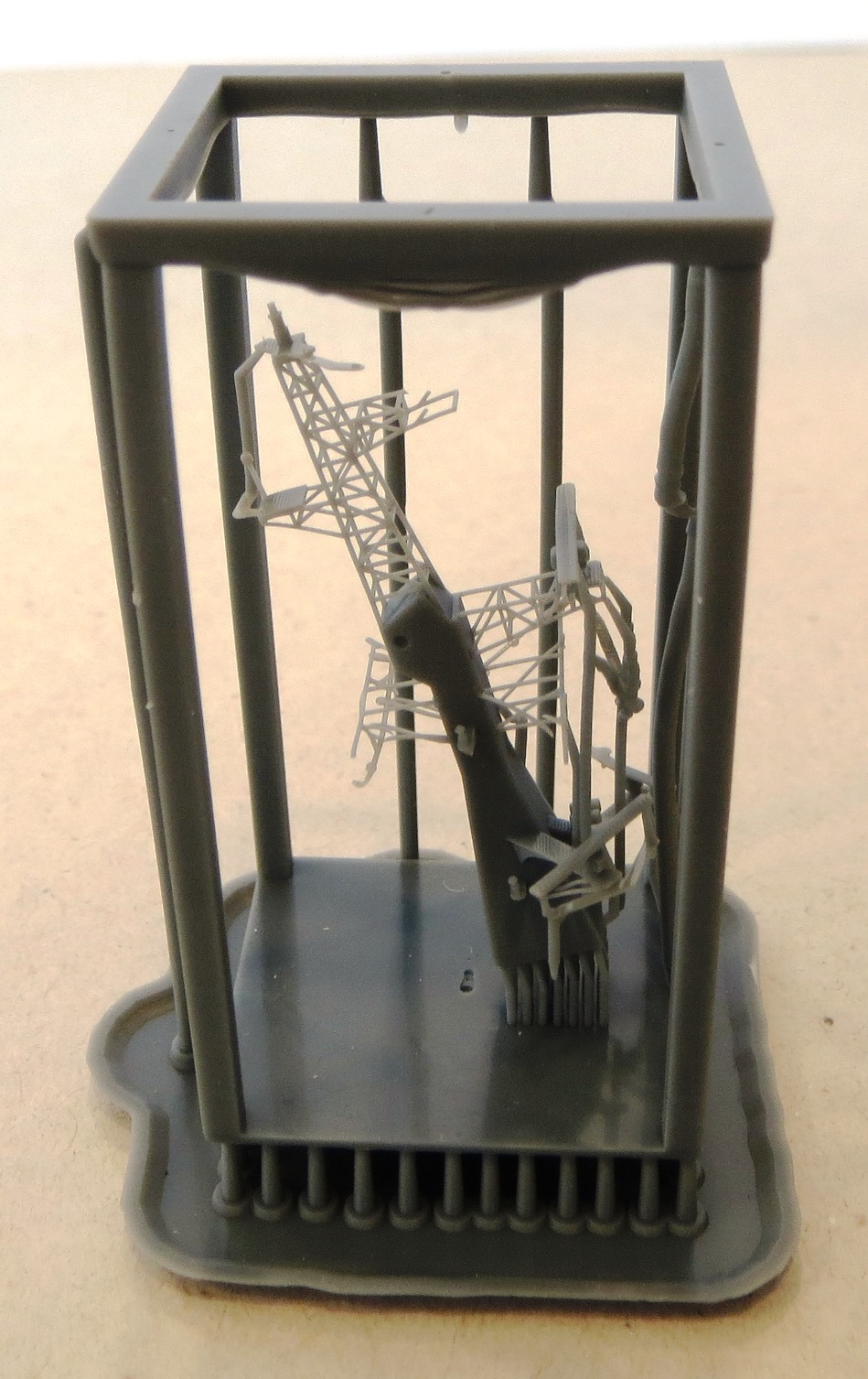
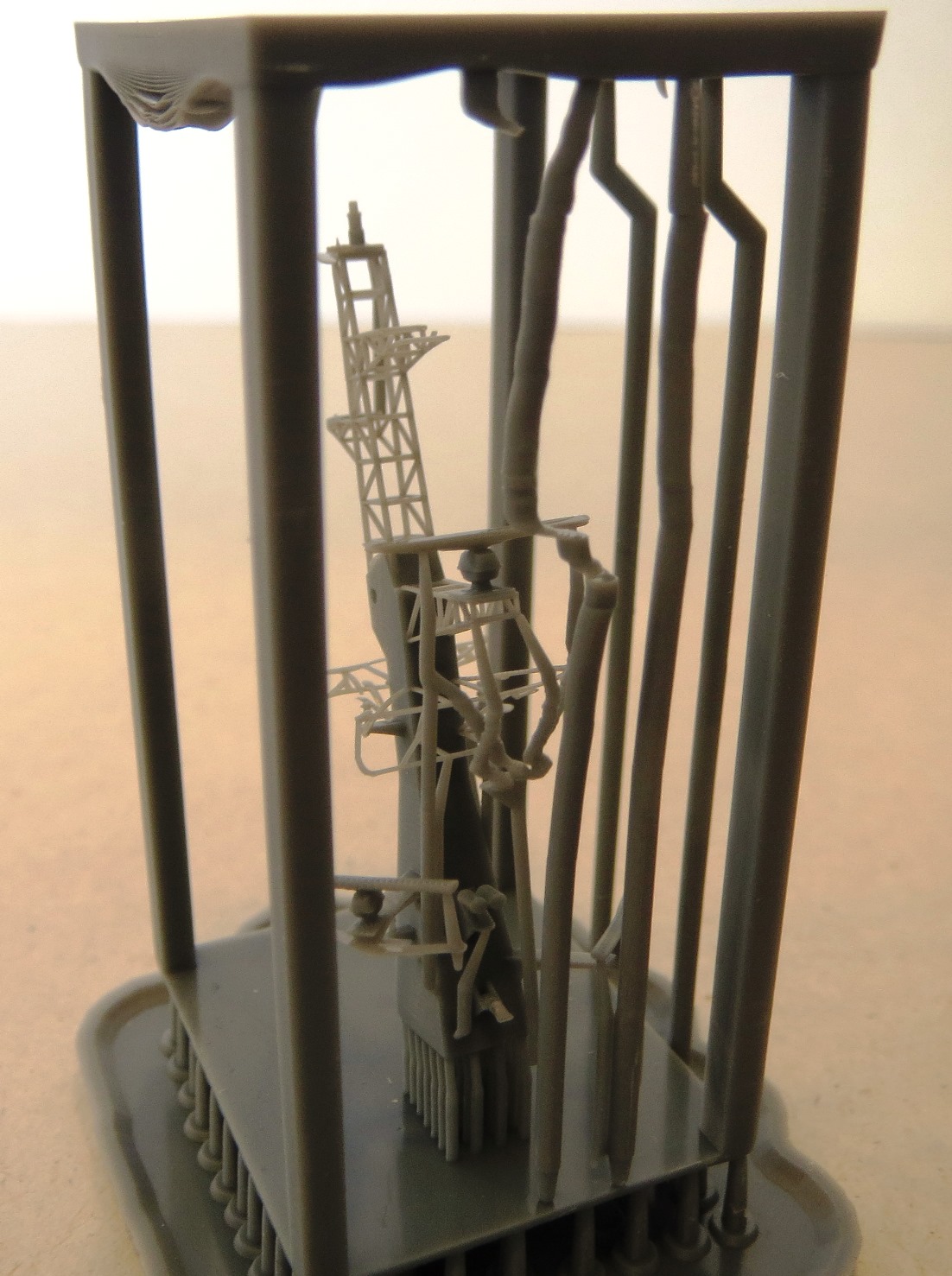
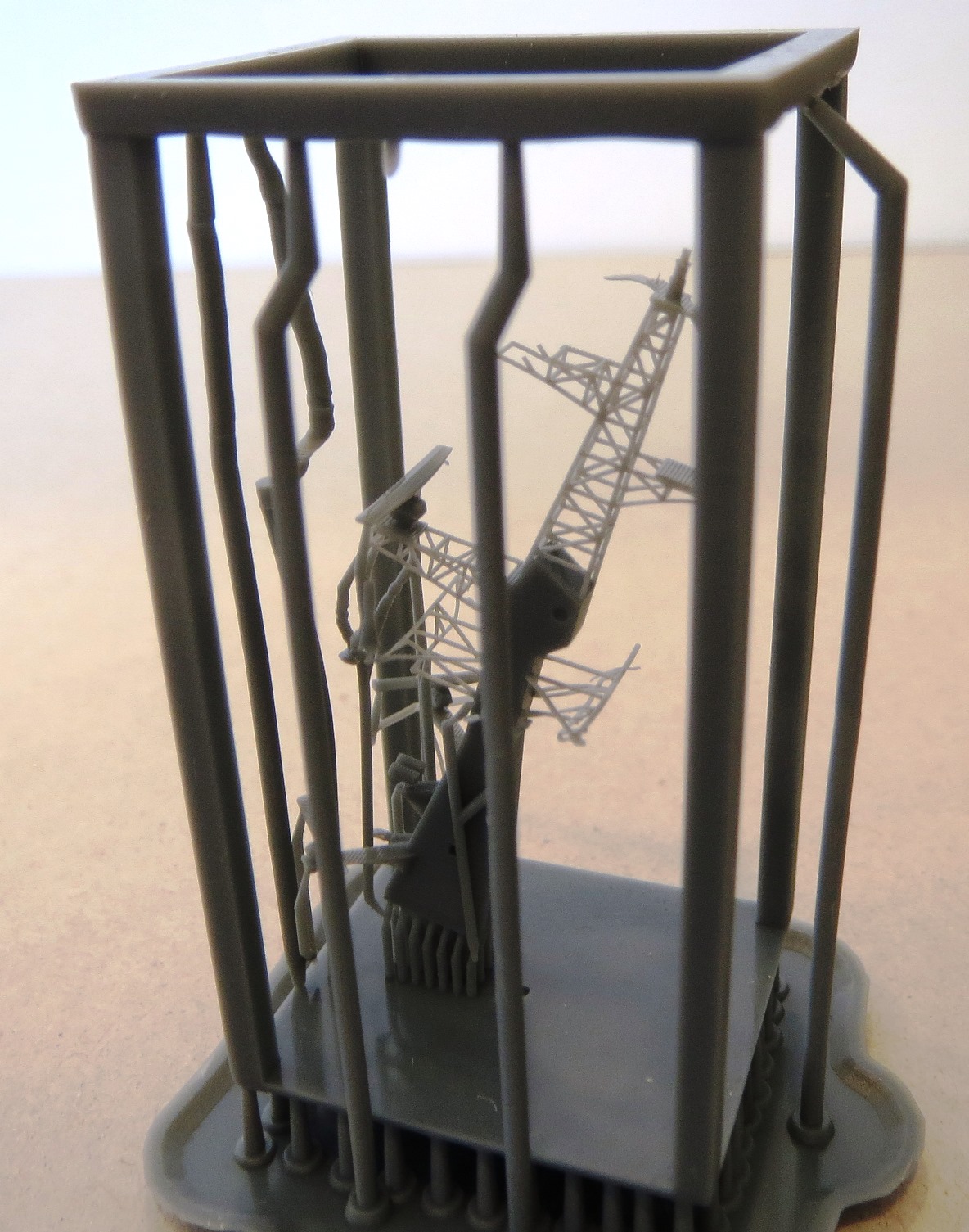
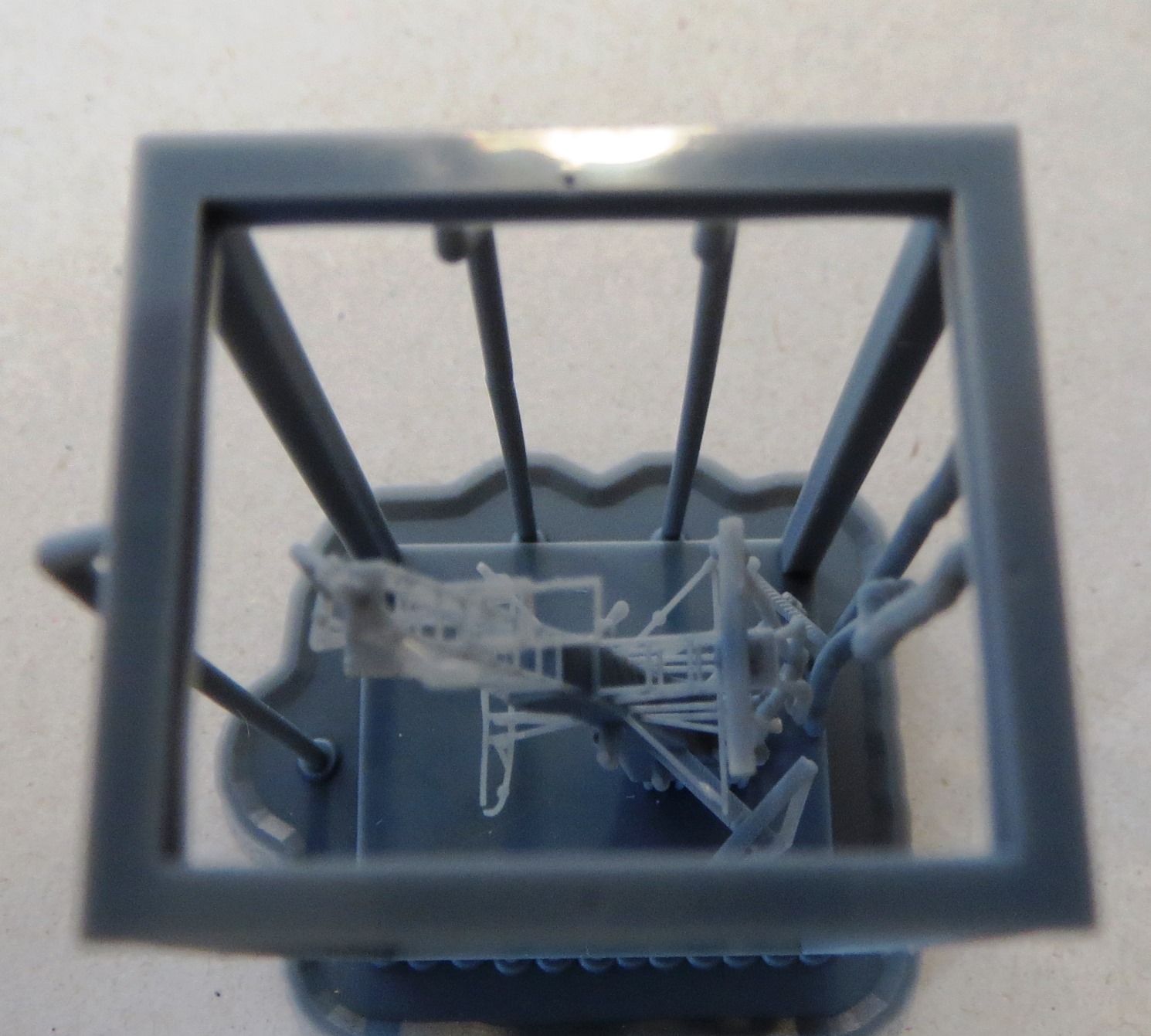
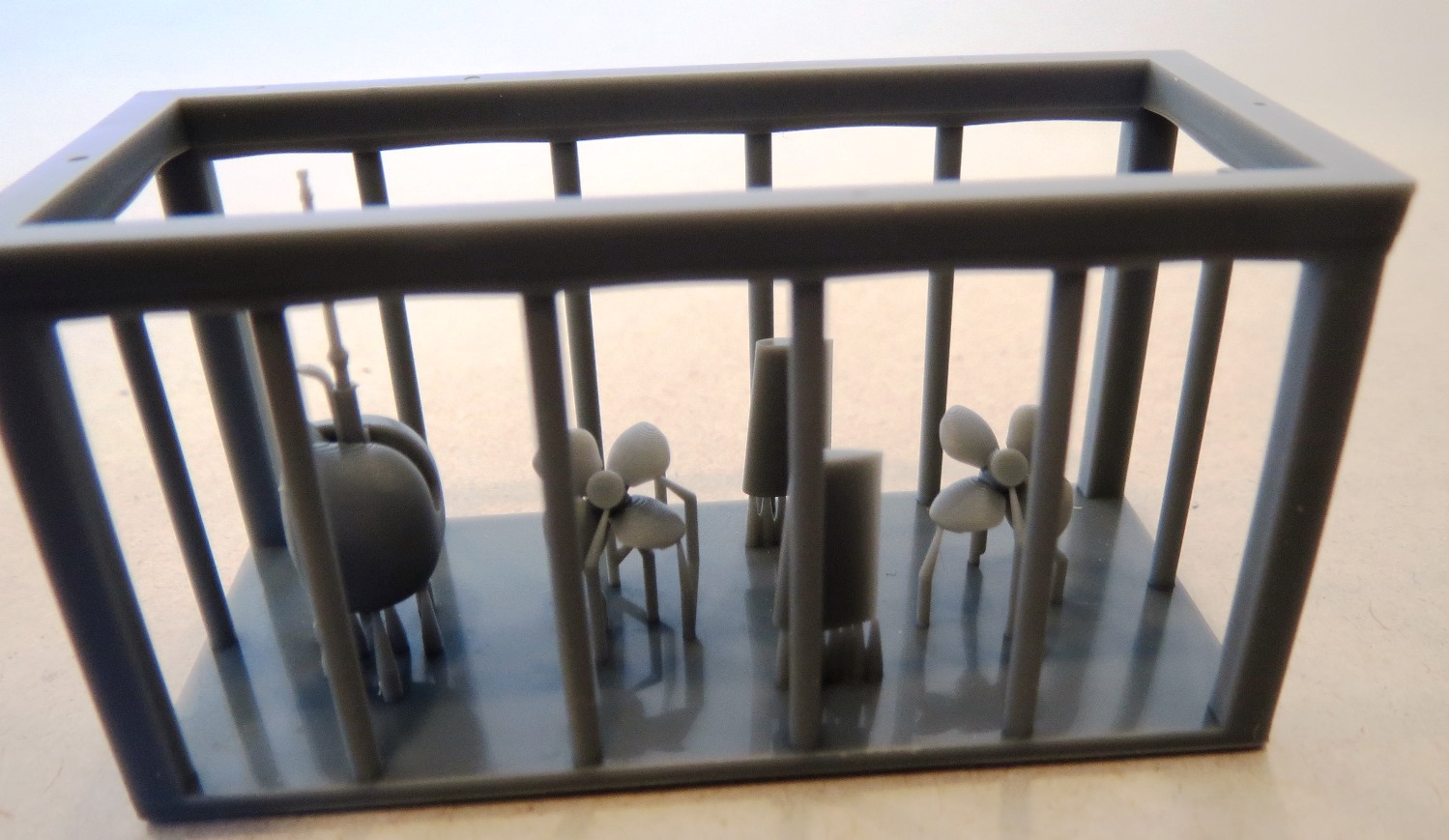
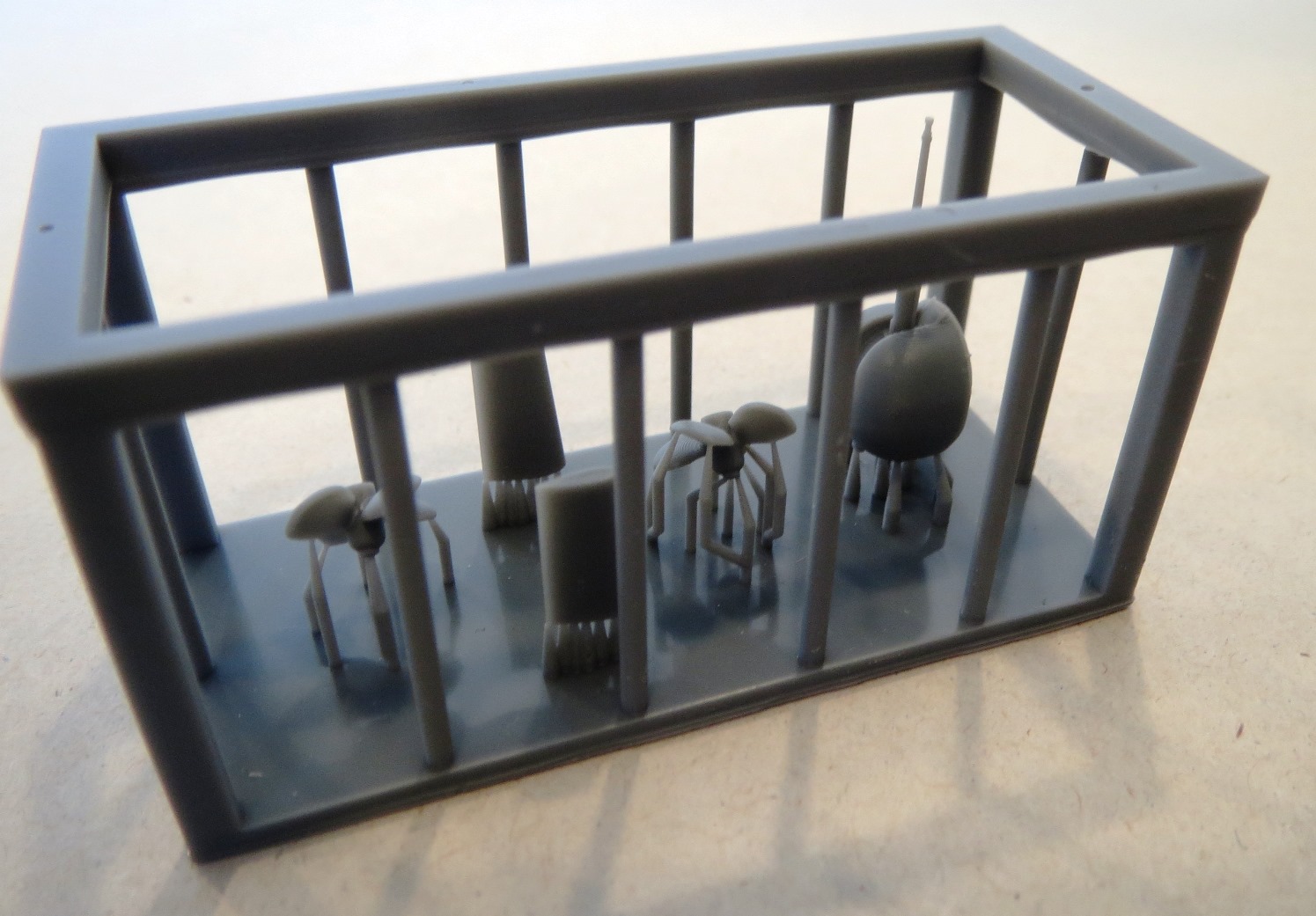
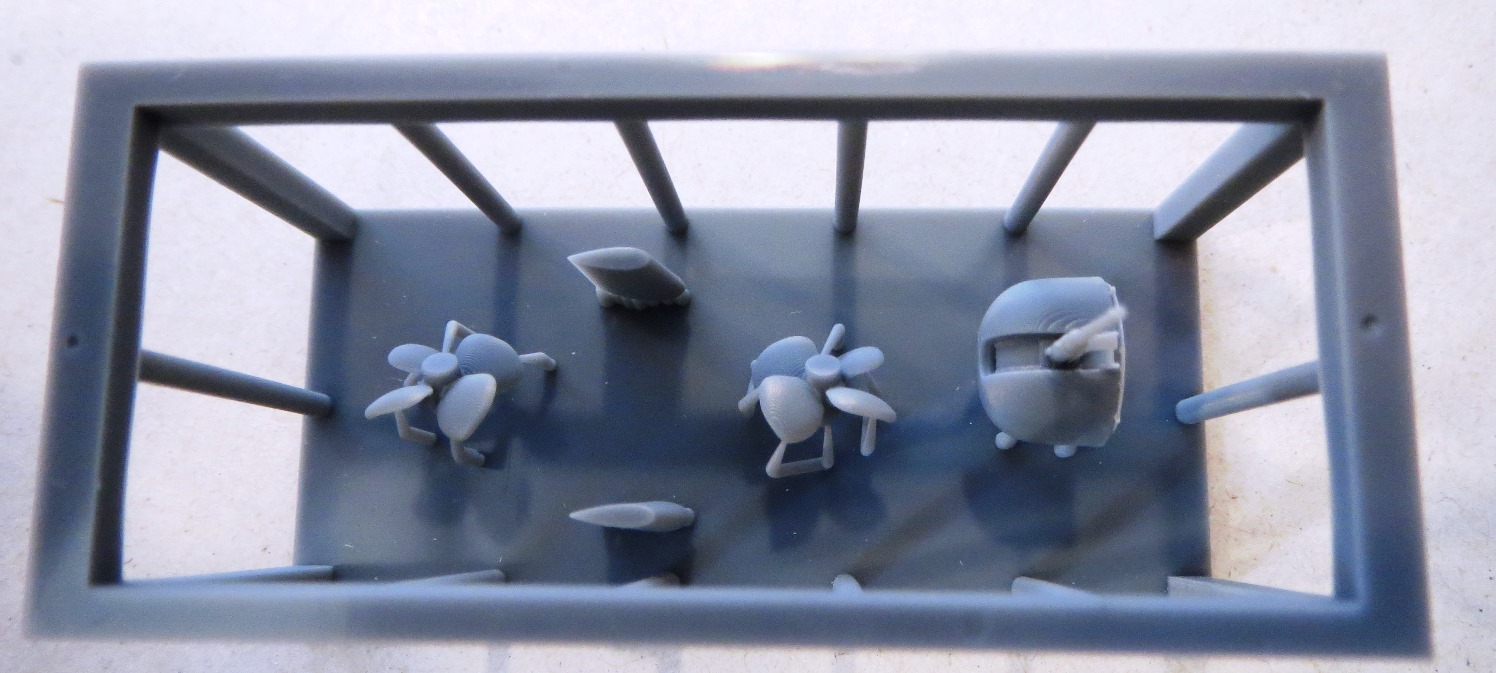
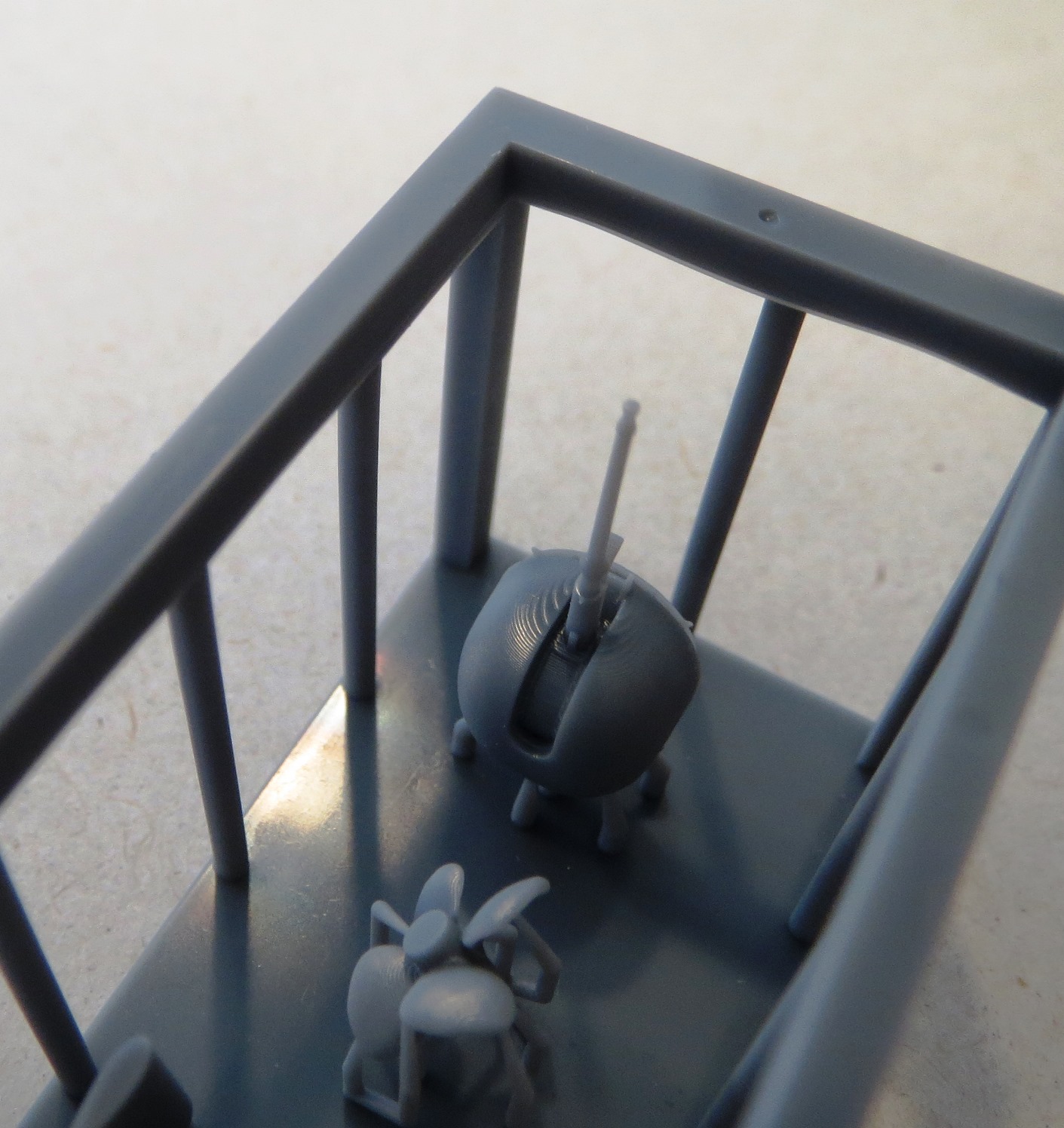
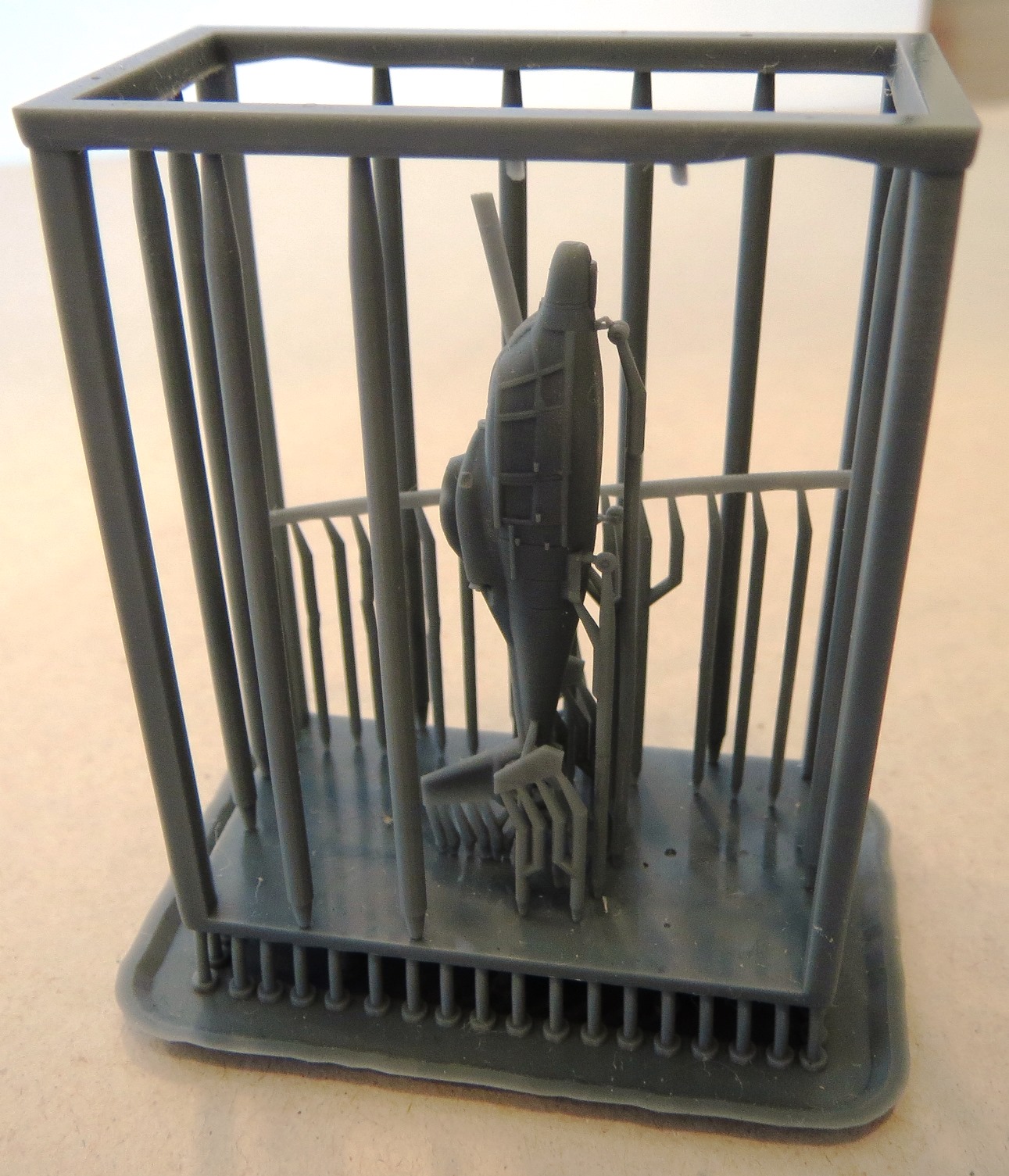
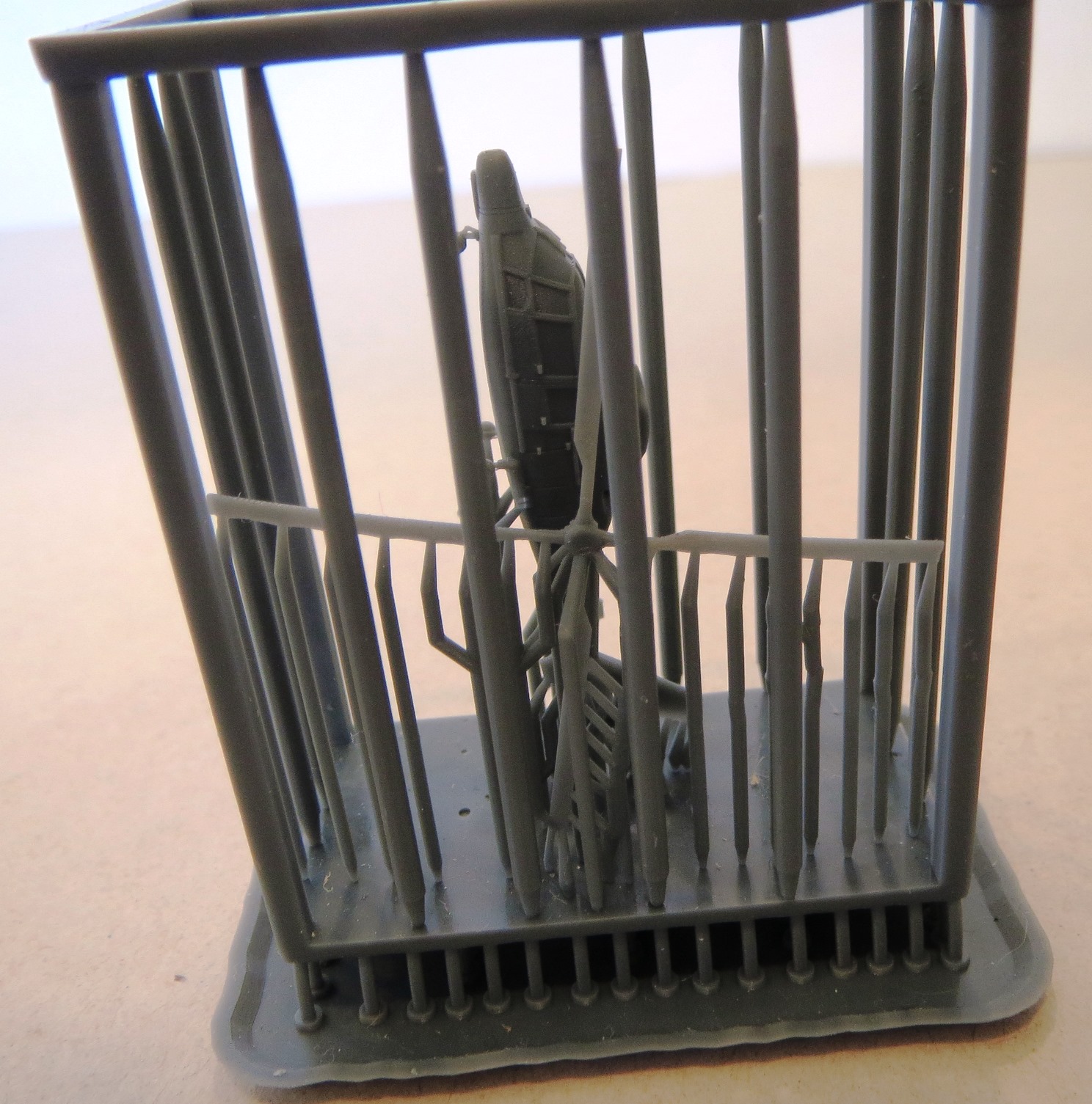
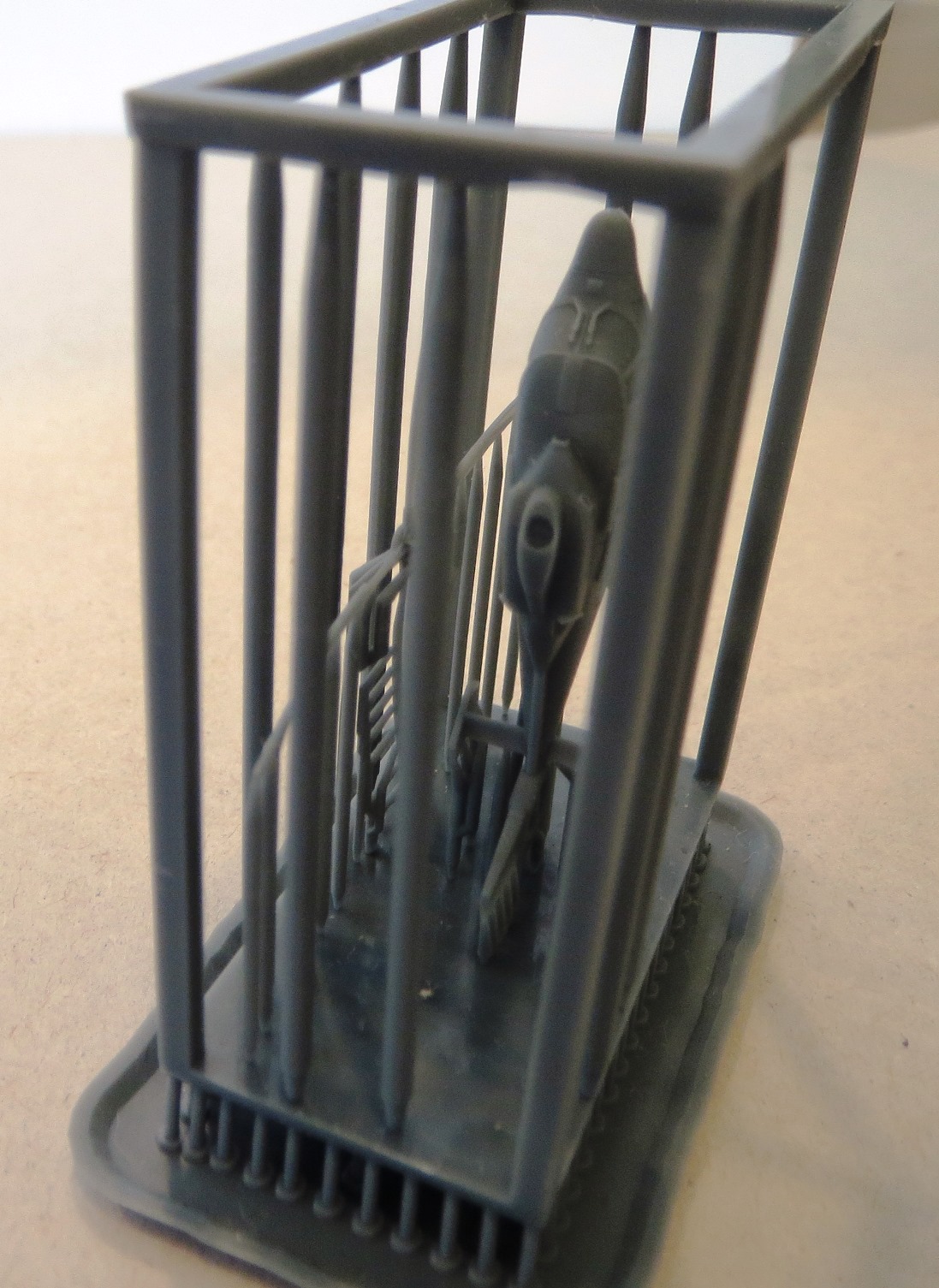
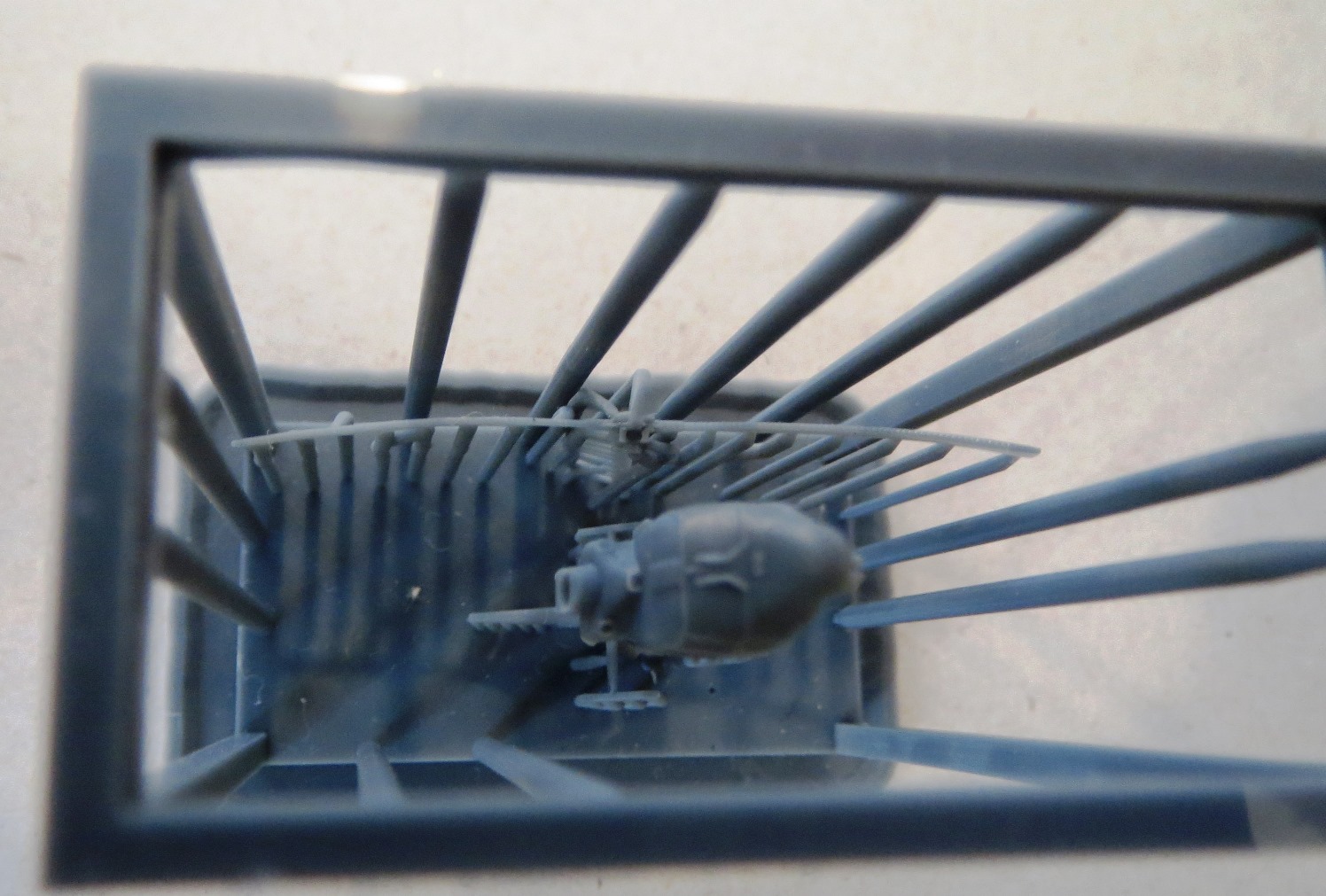
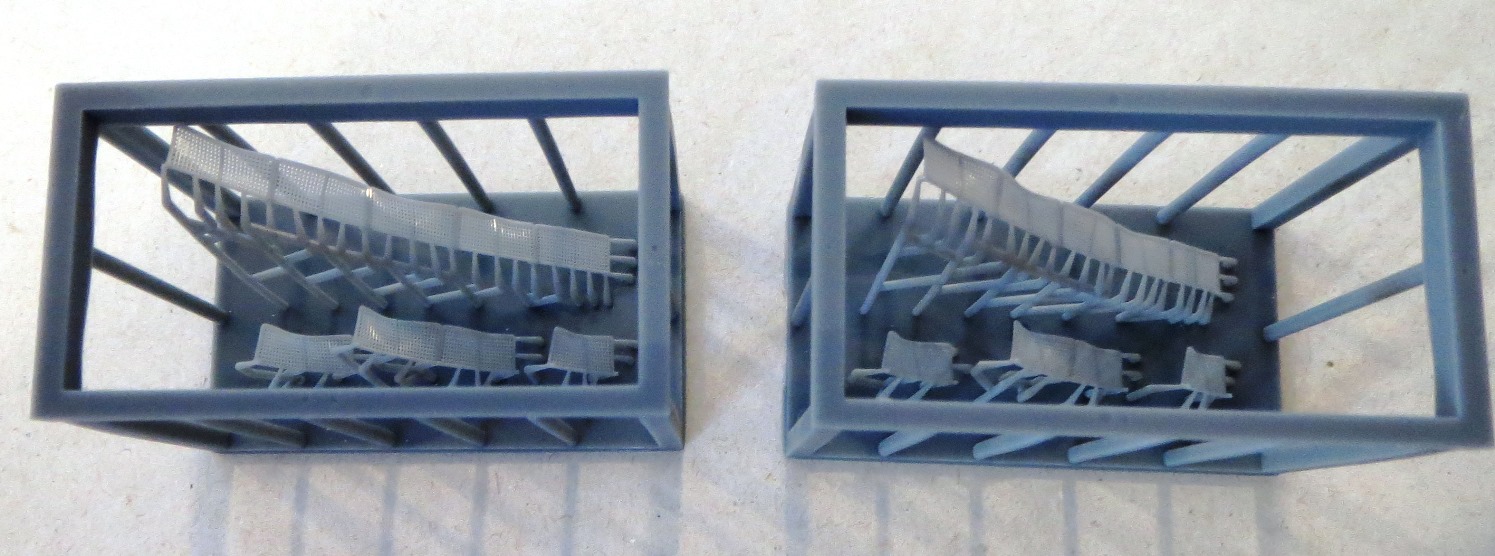
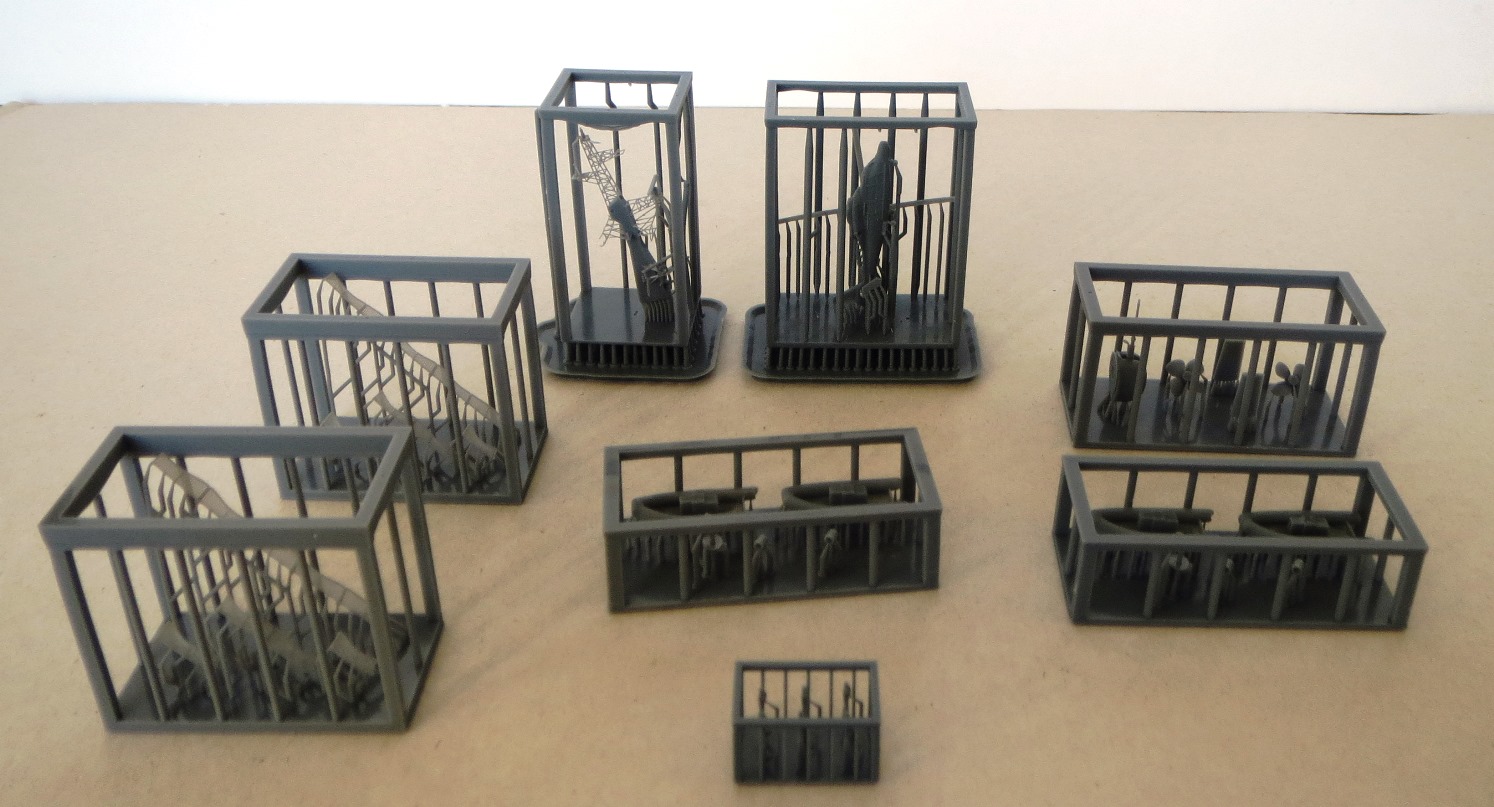
Eight
print rafts with smaller parts are provided with the kit. The rafts have
cages printed around the parts within to help protect them from damage.
All of the rafts have thin attachment points that should make removing
the parts fairly easy but care must be taken with the more delicate items.
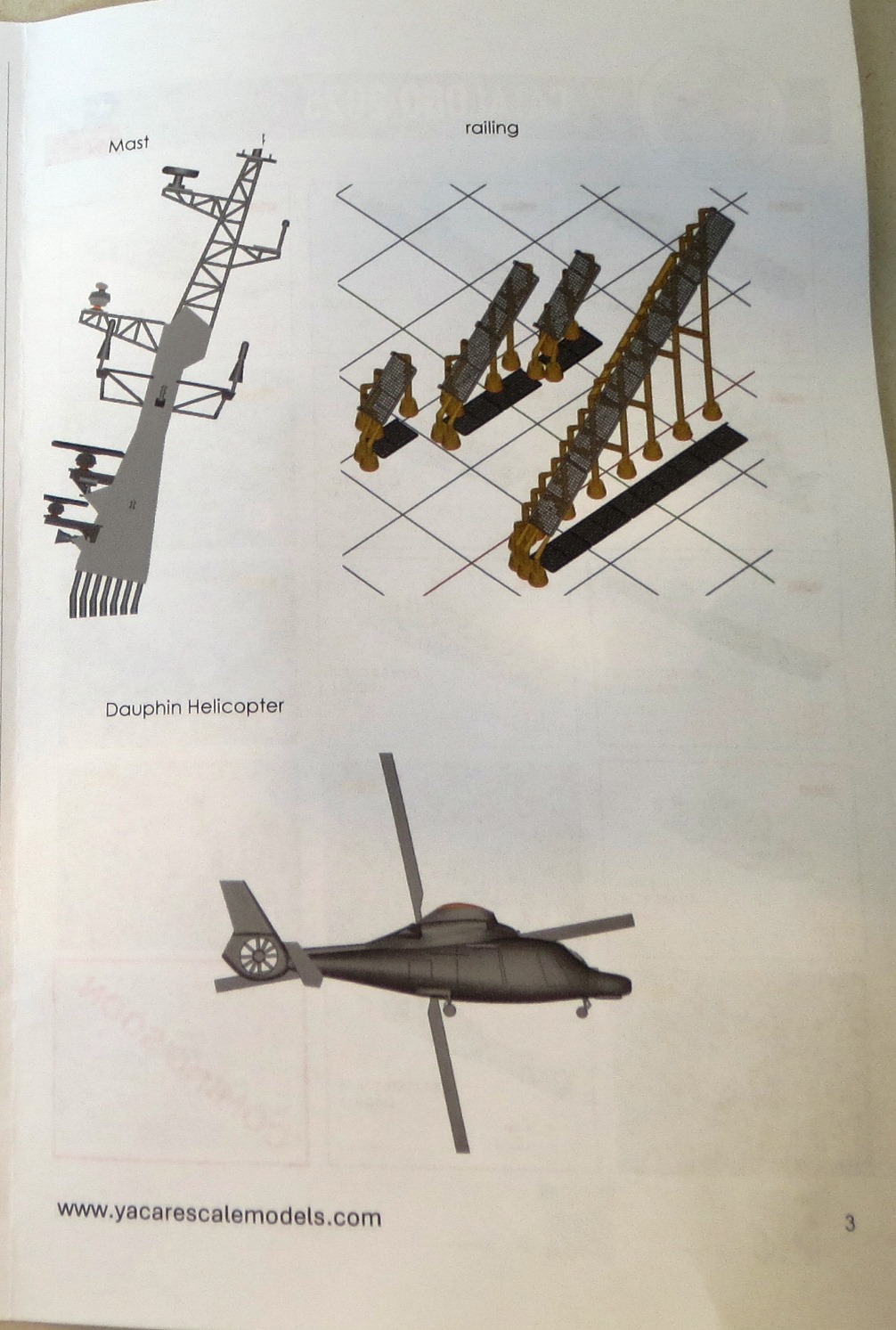
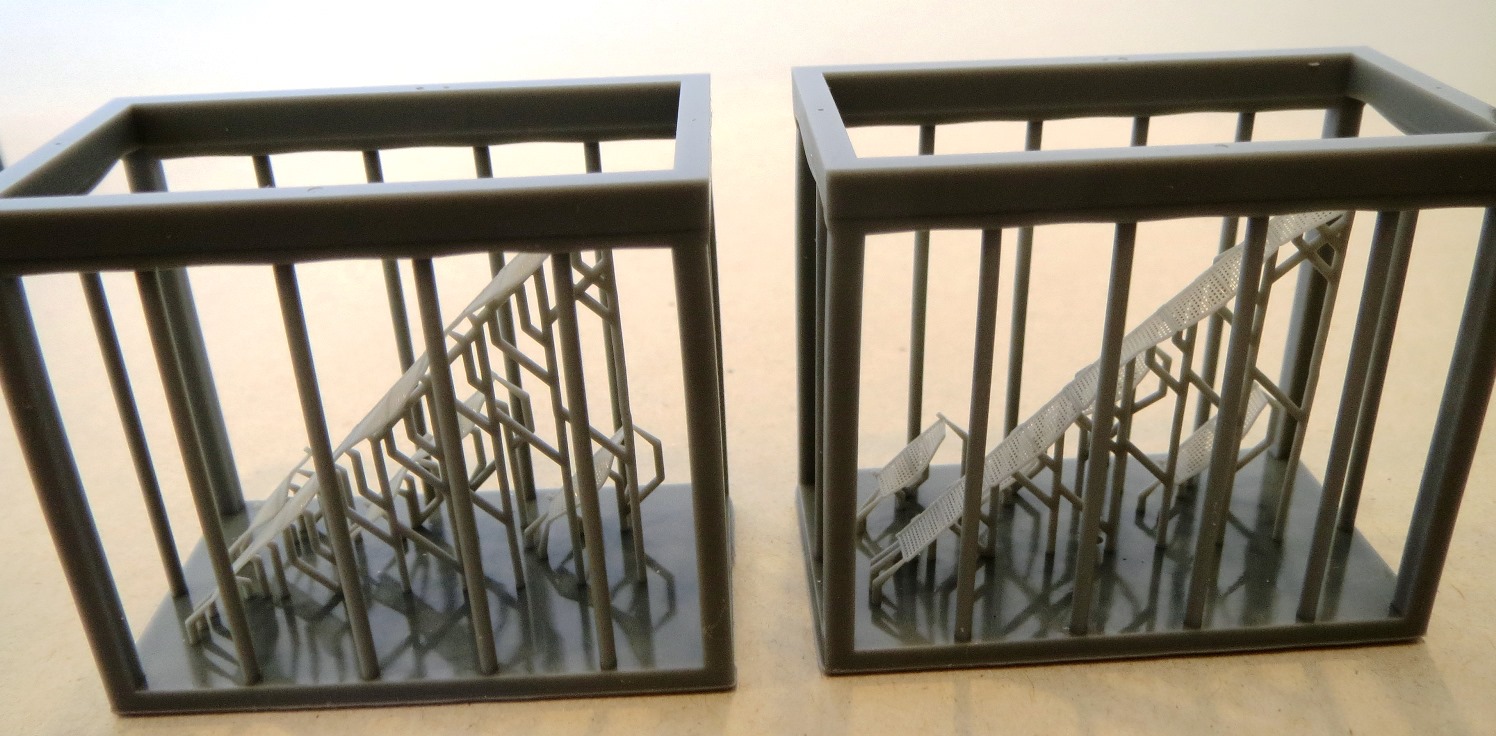
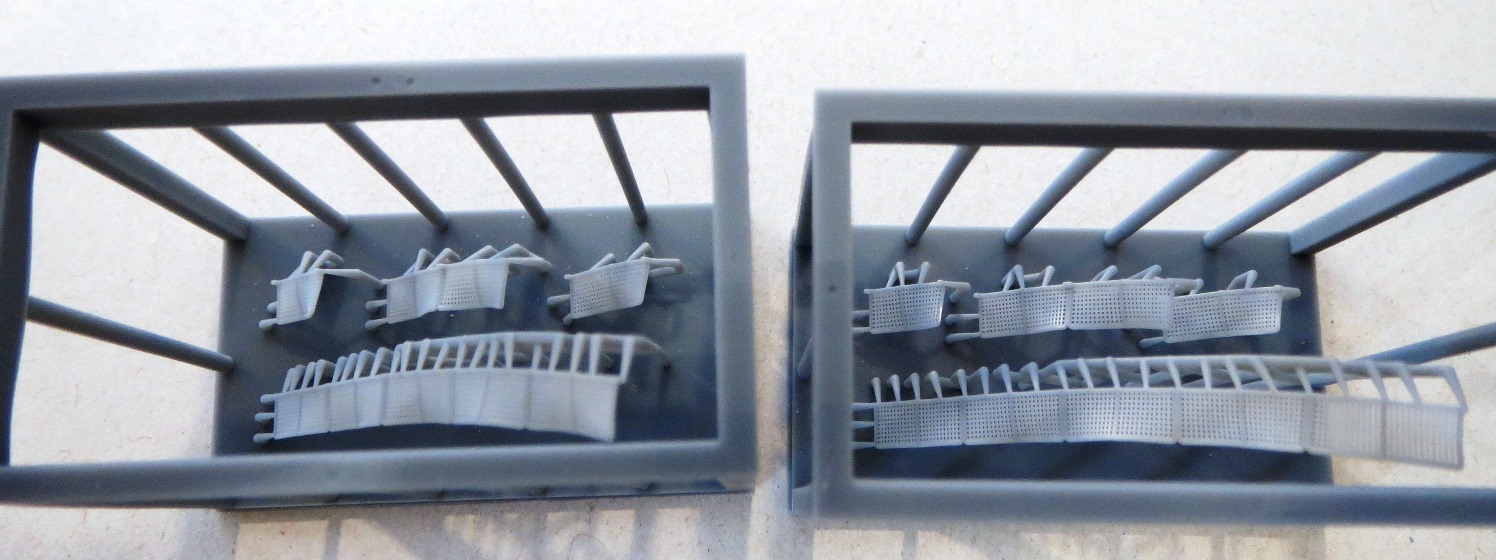
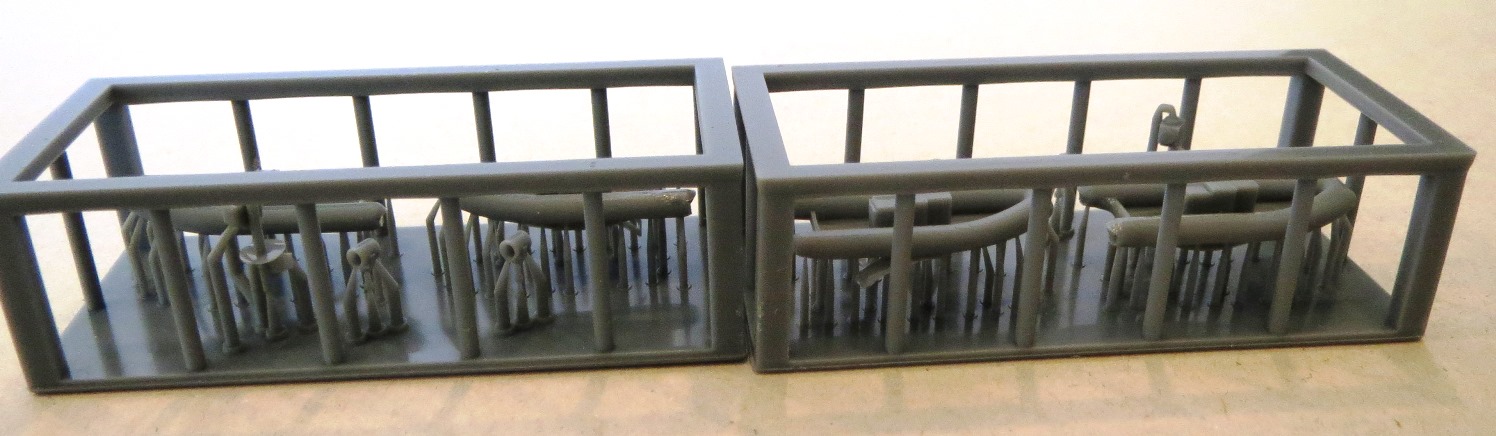
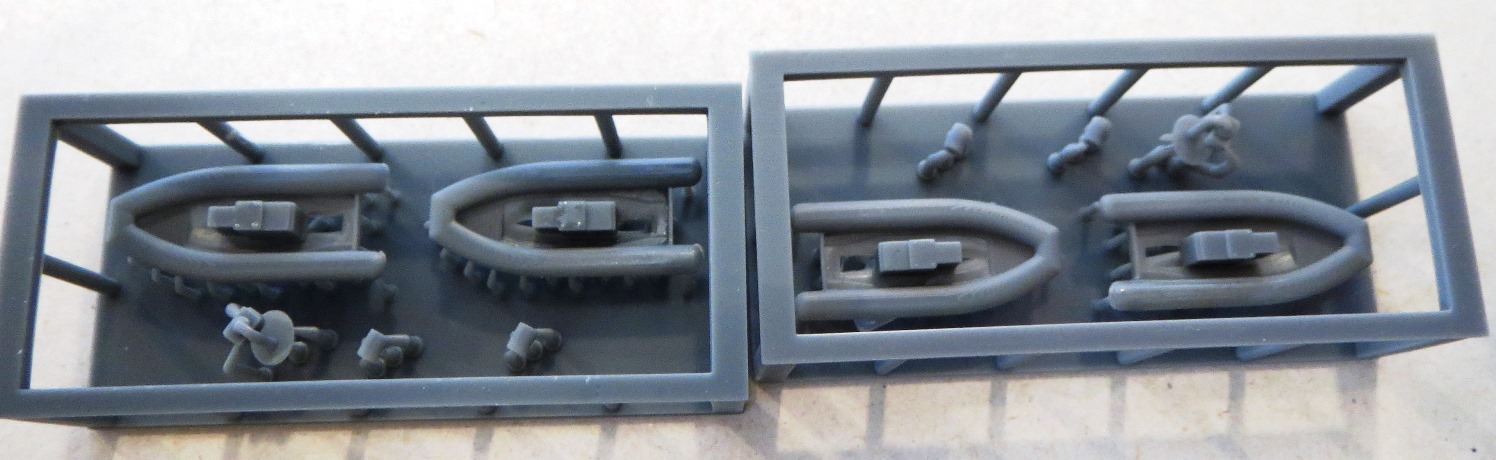
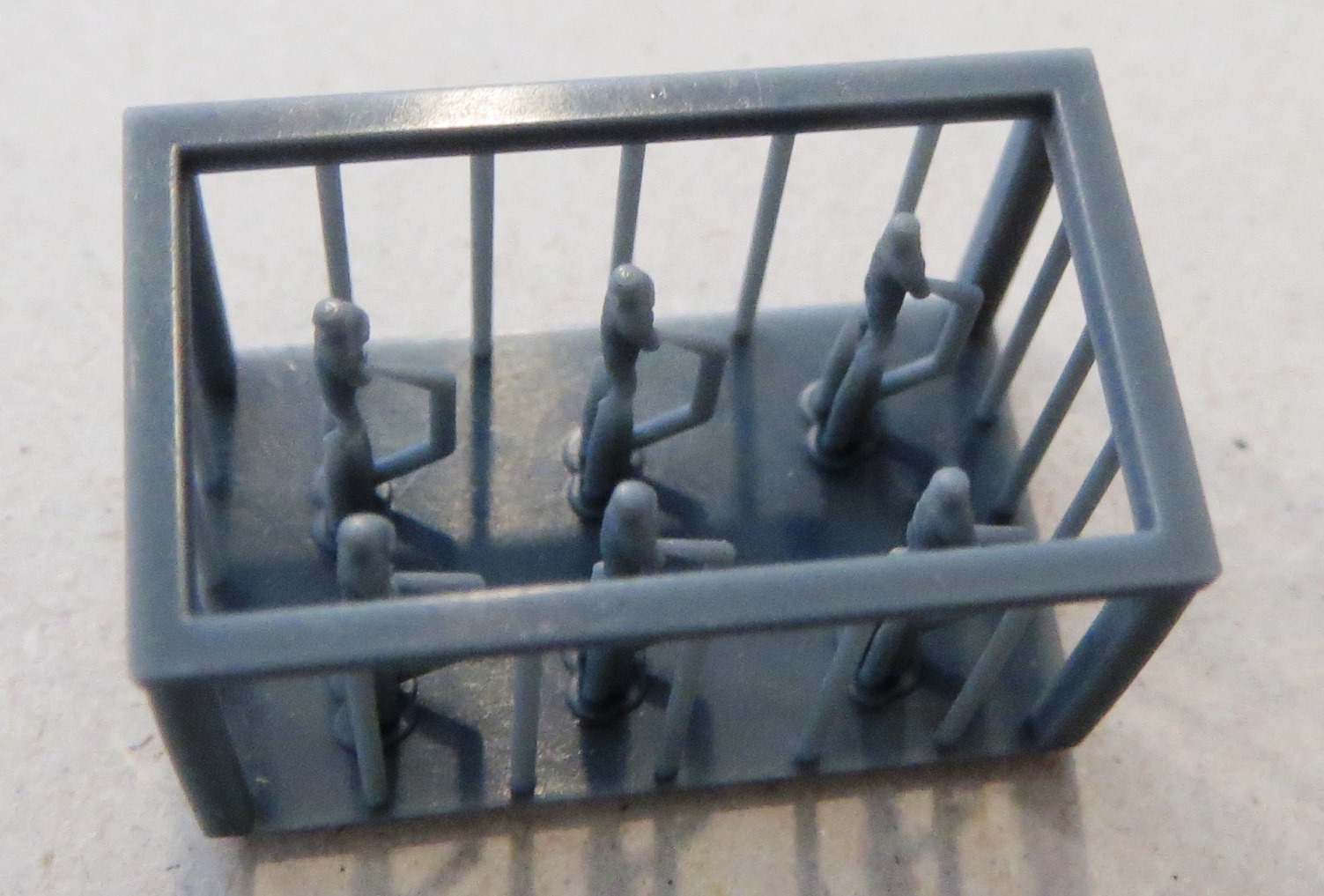
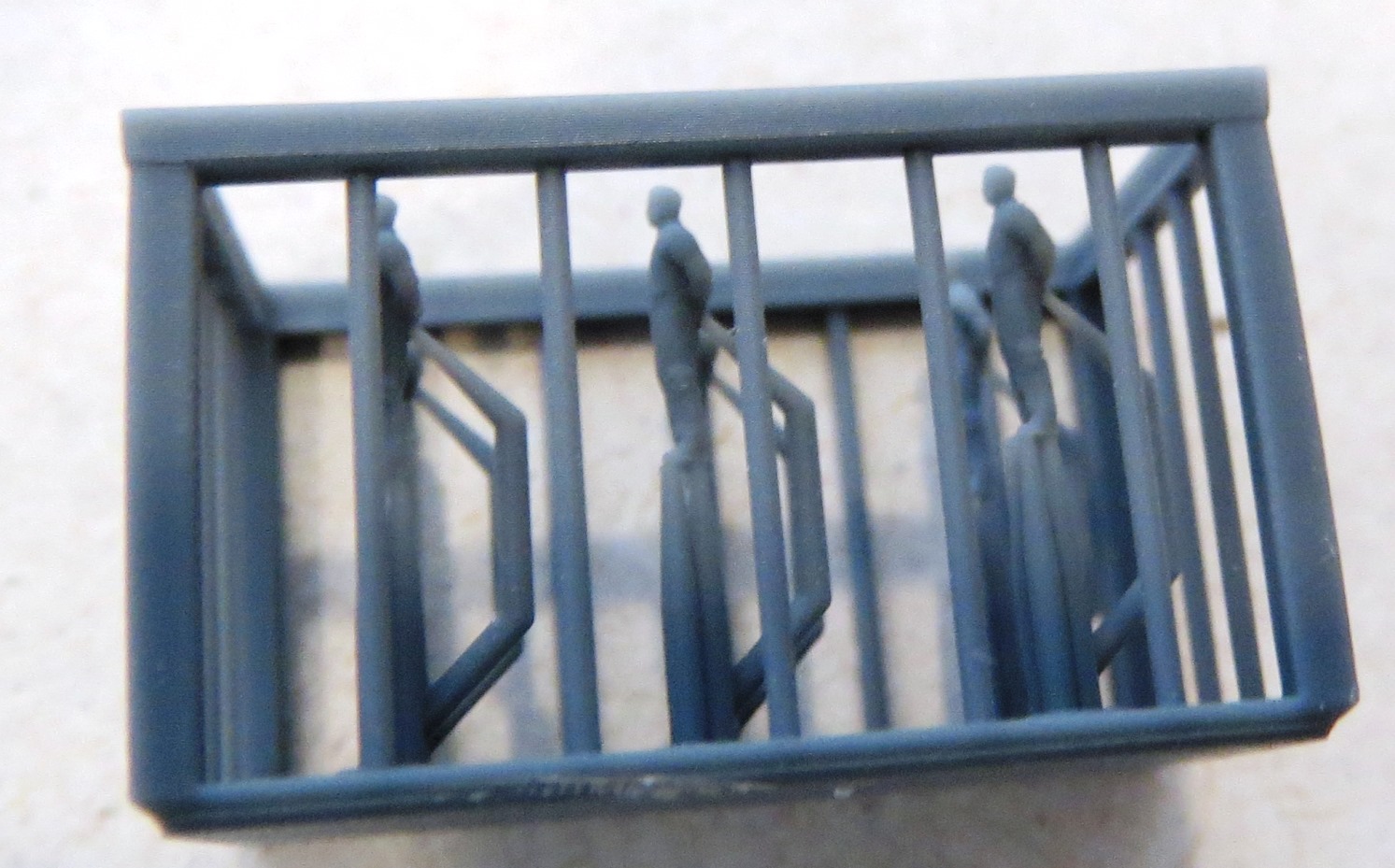
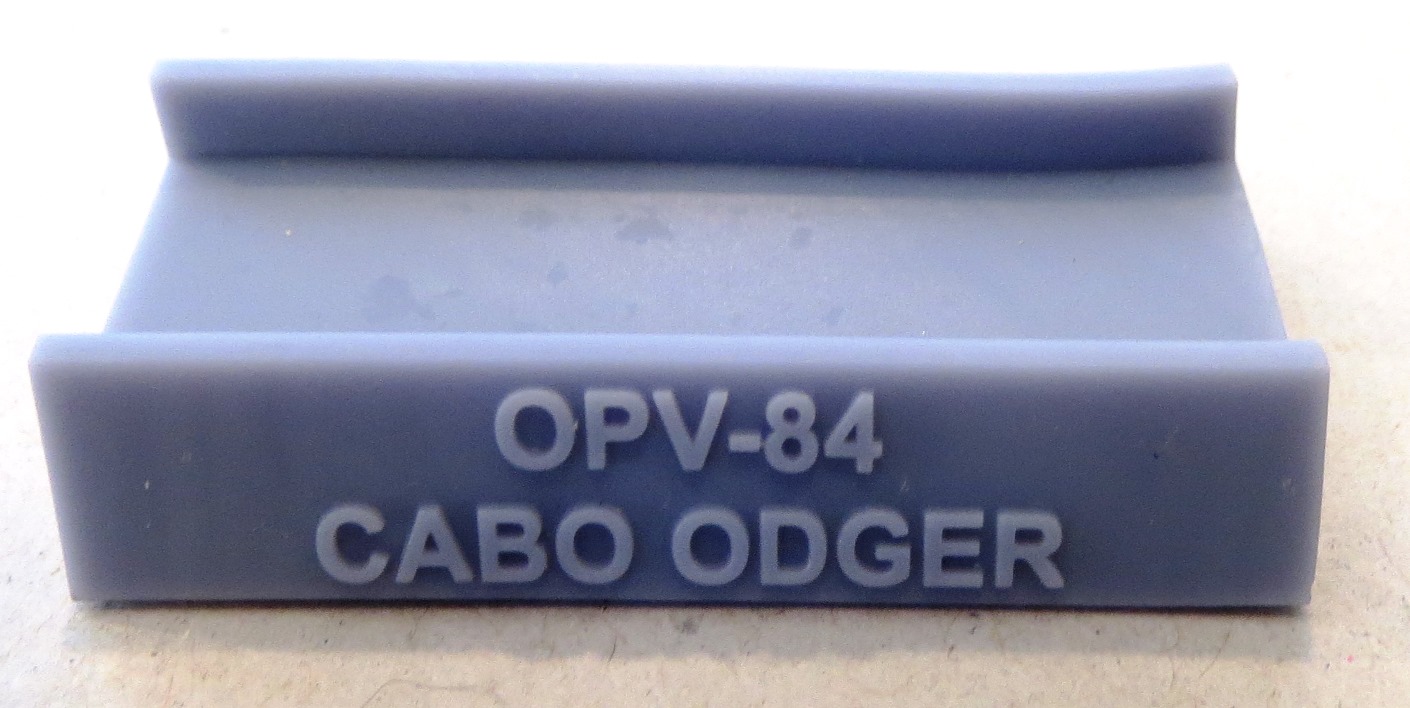
The first raft has the mast with its various yardarms and radars. Having the lattice work and yardarms printed will eliminate the need to fuss with photoetch, but that will only work if they are printed properly. There are spots where the yards and lattice work were not completely printed and as a result, are missing a radar or another detail. I do appreciate the attempt to push the envelope a bit with the 3D printing, but such fine and delicate details may be too much for this tech. The mast also has print supports that must be carefully removed to avoid breaking off parts of the mast assembly. The second raft has the Oto Melara turret and gun along with the two rudder and propellers. These parts are well done and with no issues. The third raft has the Dauphin helicopter with the separate main rotor. Again, these parts are well done, with the helicopter well detailed. Great care will be needed to remove the print supports as to not break off the landing gear or damage the main rotor. The next two rafts have the flight deck safety netting. Unfortunately, they are very warped and really not useable. Again, I applaud the attempt to push the envelope with the 3D printing, but somethings are better done with photoetch brass. The last two rafts have the Zodiac boats, a pair of spotlights and the flight deck camera. These are well done as well and with no printing issues. While only one raft is needed for the build, it is nice to have extras for the lights and camera in case of loss or accidental damage. The extra Zodiacs will go into the spares box. Also included with this kit is a raft are six crew figures in manning the rail poses. A separate display base is included with the words OPV-84 Cabo Odger in raised letters on one side. I did notice that the two 12.7mm machine guns, which are fitted to the port and starboard wings just aft of the wheelhouse, are not included. I will need to search for aftermarket sources for these. |
||||||||||||||||||||||||
 |
 |
 |
 |
 |
||||||||||||||||||||
 |
 |
 |
 |
 |
||||||||||||||||||||
 |
 |
 |
 |
 |
||||||||||||||||||||
 |
 |
 |
 |
 |
||||||||||||||||||||
 |
||||||||||||||||||||||||
| DECALS | ||||||||||||||||||||||||
|
No decals are
provided with the kit, which is a negative. It would have been nice to
have a sheet with the at least the hull numbers and flight deck markings.
A bonus on the decal sheet would have been to include metric draft markings
and the warning markings advising the presence of a bulbous bow and the
location of the bow thrusters along with the Chilean flag.
|
||||||||||||||||||||||||
| INSTRUCTIONS | ||||||||||||||||||||||||
|
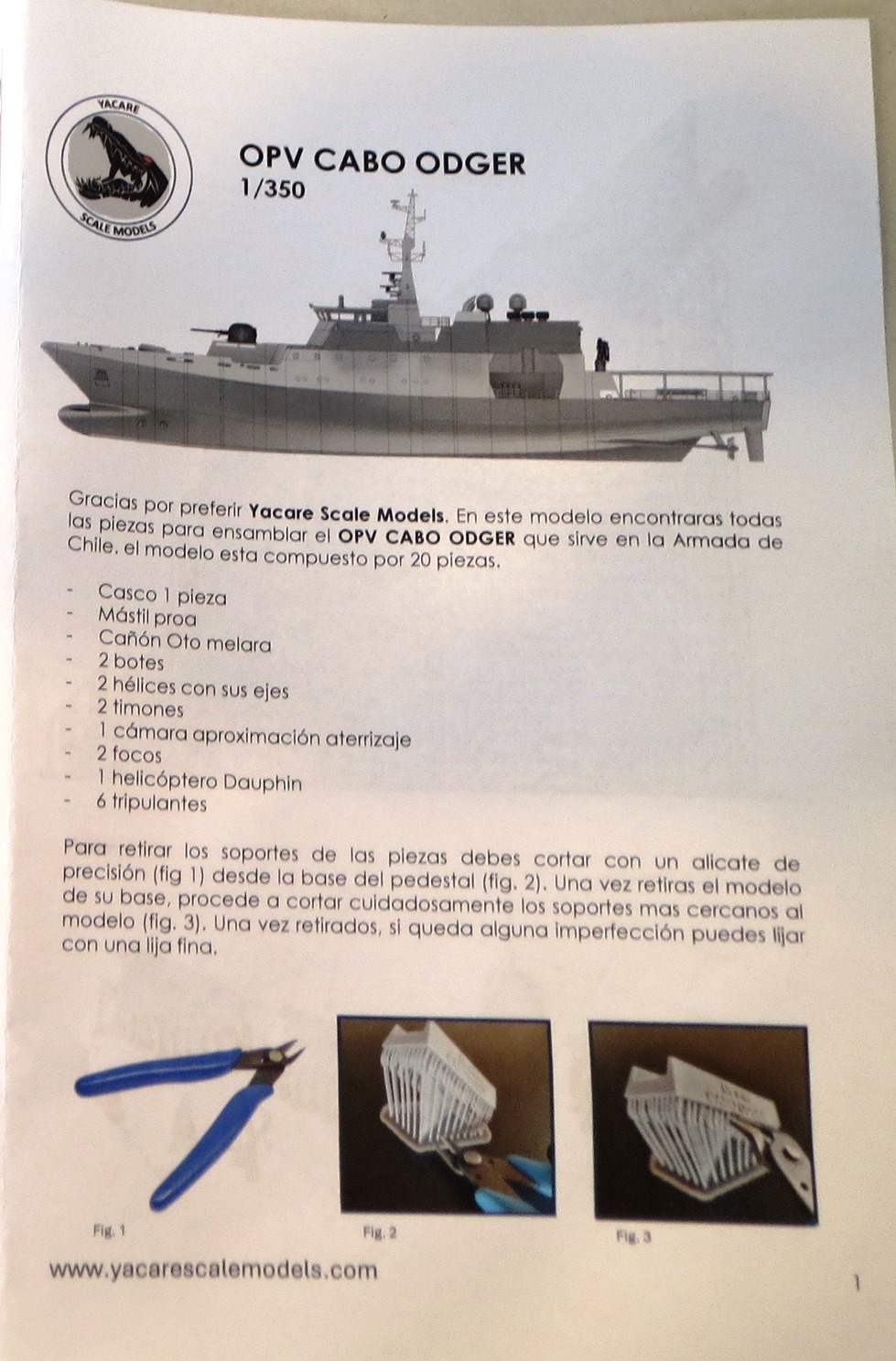
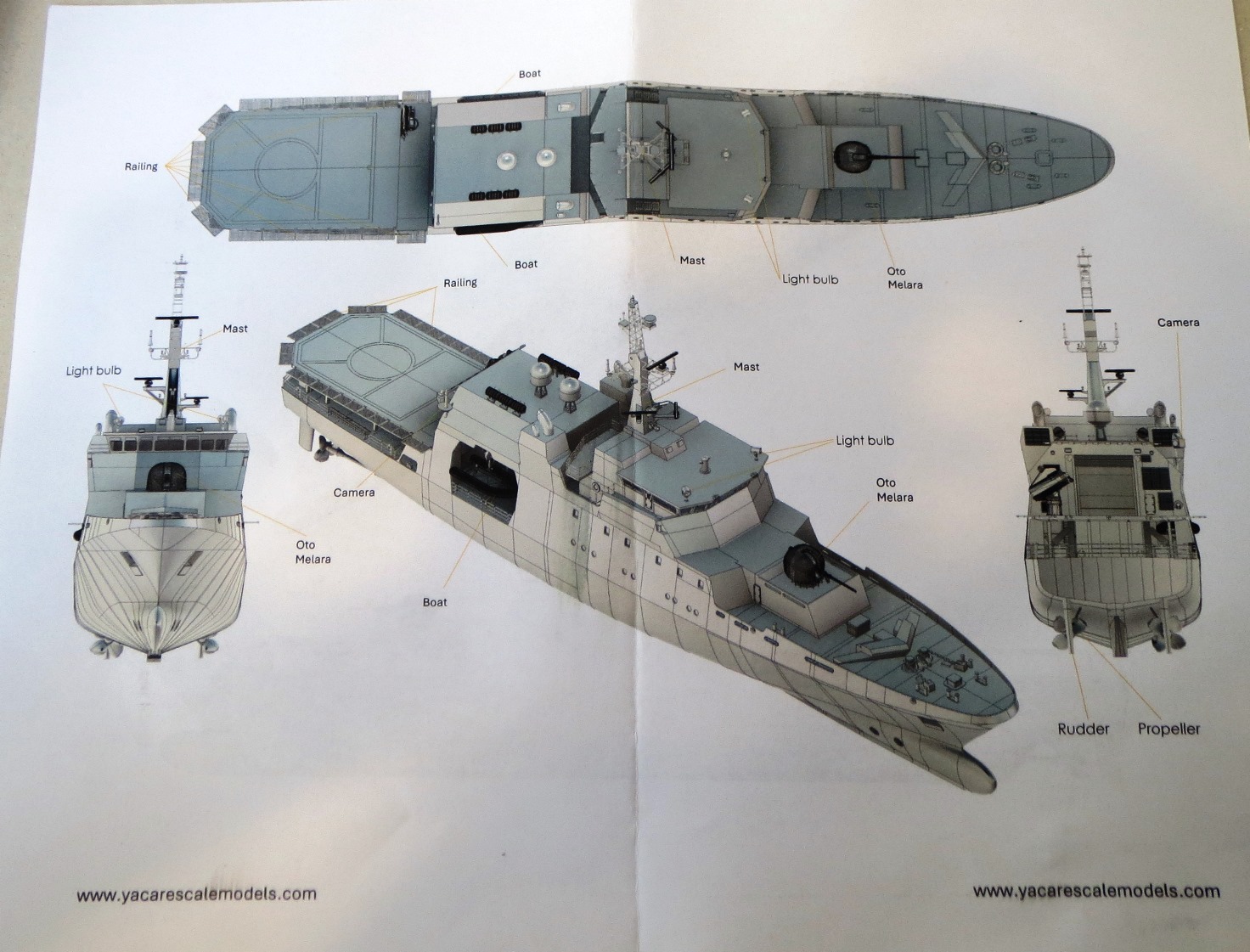
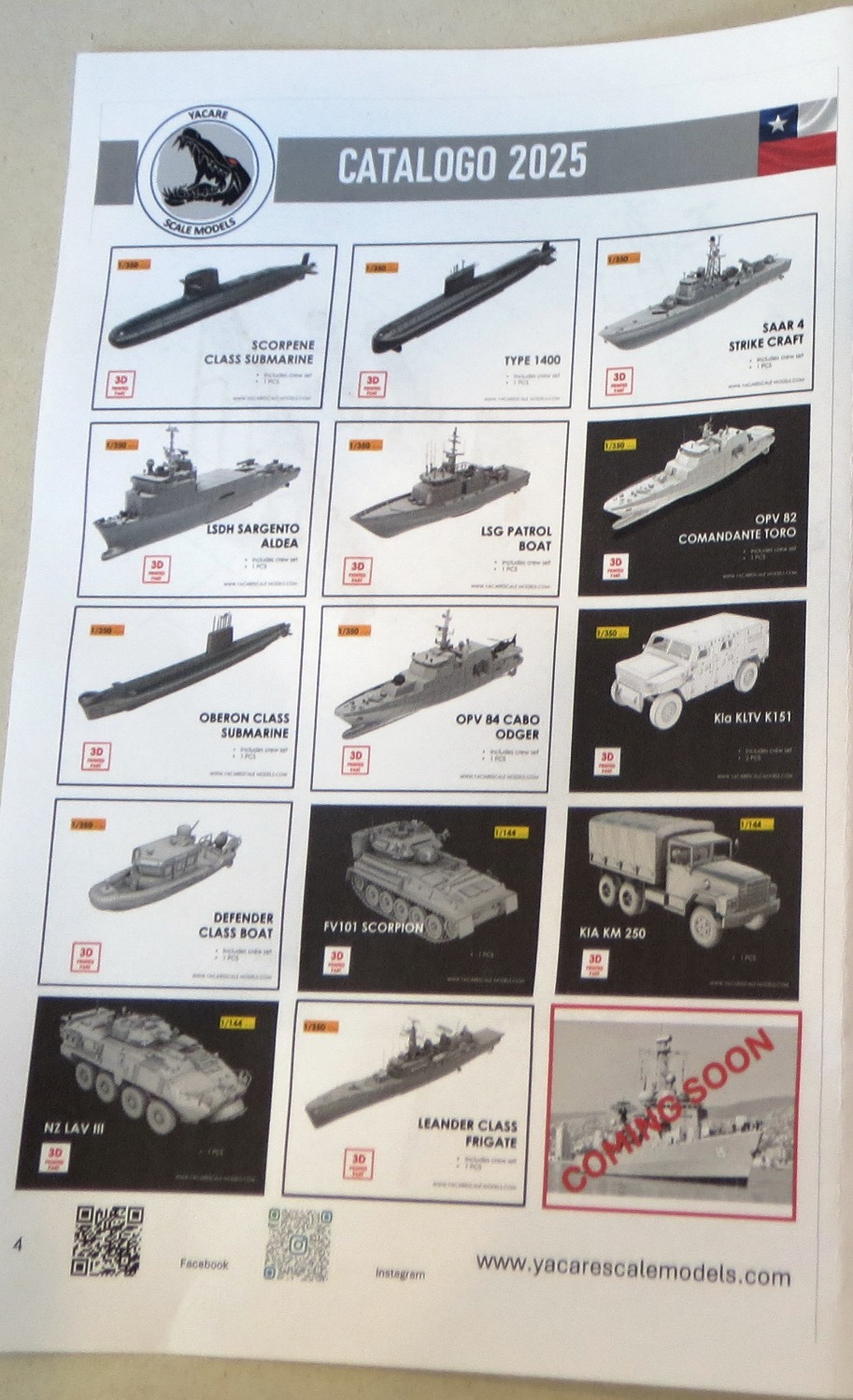
The assembly
instructions come in two double-sided sheets of paper, one folded over
into a pamphlet and the other as an insert. The cover page contains a profile
image of the vessel with a list of parts and guidance on how to remove
the parts from the print rafts all in Spanish. Pages 2 and 3 has images
of all of the parts, The last page has a catalog of some other items in
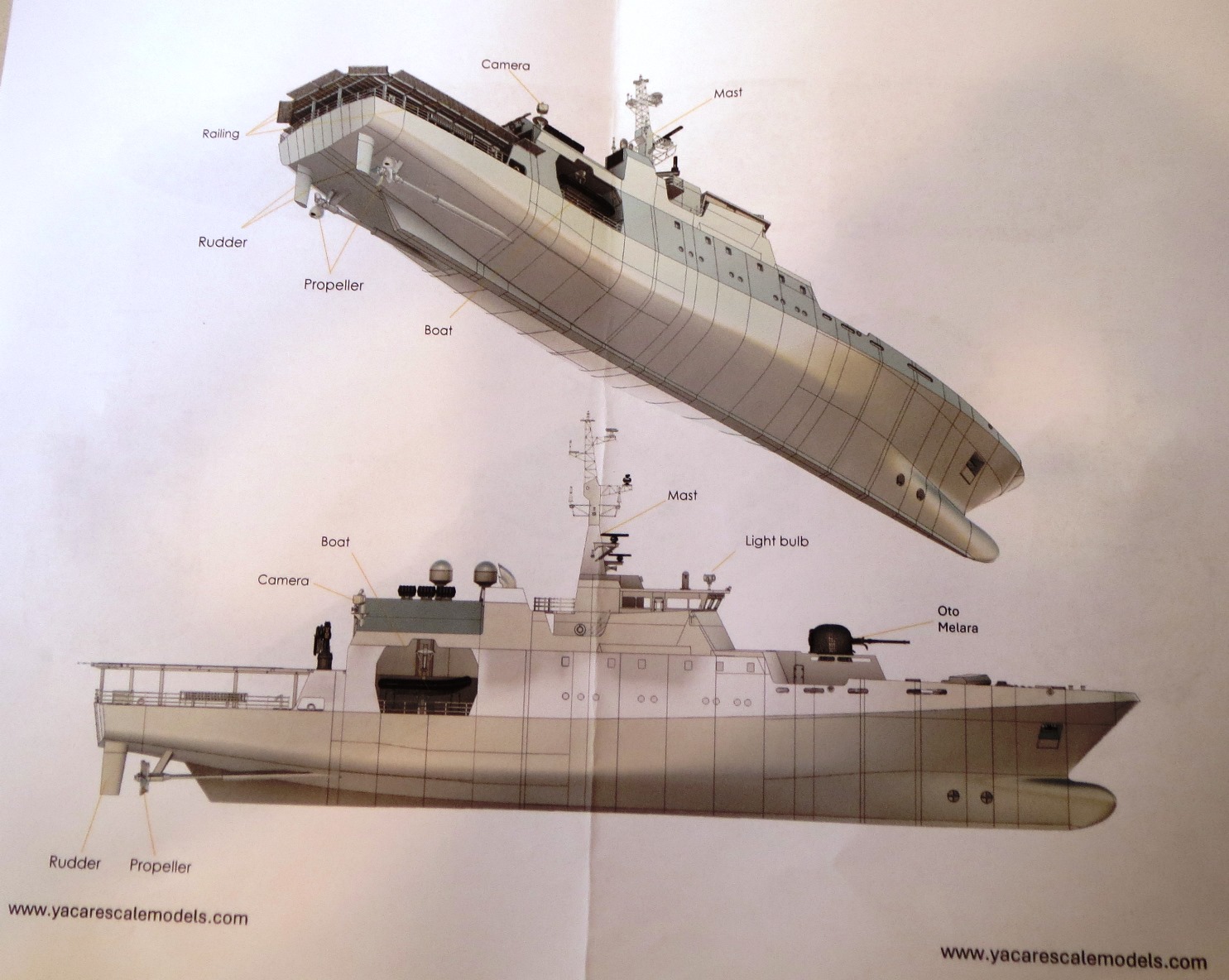
the Yacare Scale Models catalog. The double-sided insert has images of
the hull in different perspectives showing the location of smaller parts.
Unfortunately, there are no specific painting instructions. Photos online
show that the hull is a haze gray typical of modern warships with dark
gray decks and horizontal surfaces with red anti-fouling paint below the
black boot topping.
|
||||||||||||||||||||||||
|
||||||||||||||||||||||||
| CONCLUSIONS | ||||||||||||||||||||||||
|
Overall,
this is a good kit from another exciting producer of 3D printed models.
The hull and smaller parts are for the most part well done, however with
the issues as noted in the review. This kit is available directly from
Yacare Scale Models (https://www.yacarescalemodels.com),
and this subject is also available in 1:700, 1:144 and 1:72 scale. I purchased
the kit for $40.00 US plus shipping to the US via Fed Ex.
|
||||||||||||||||||||||||