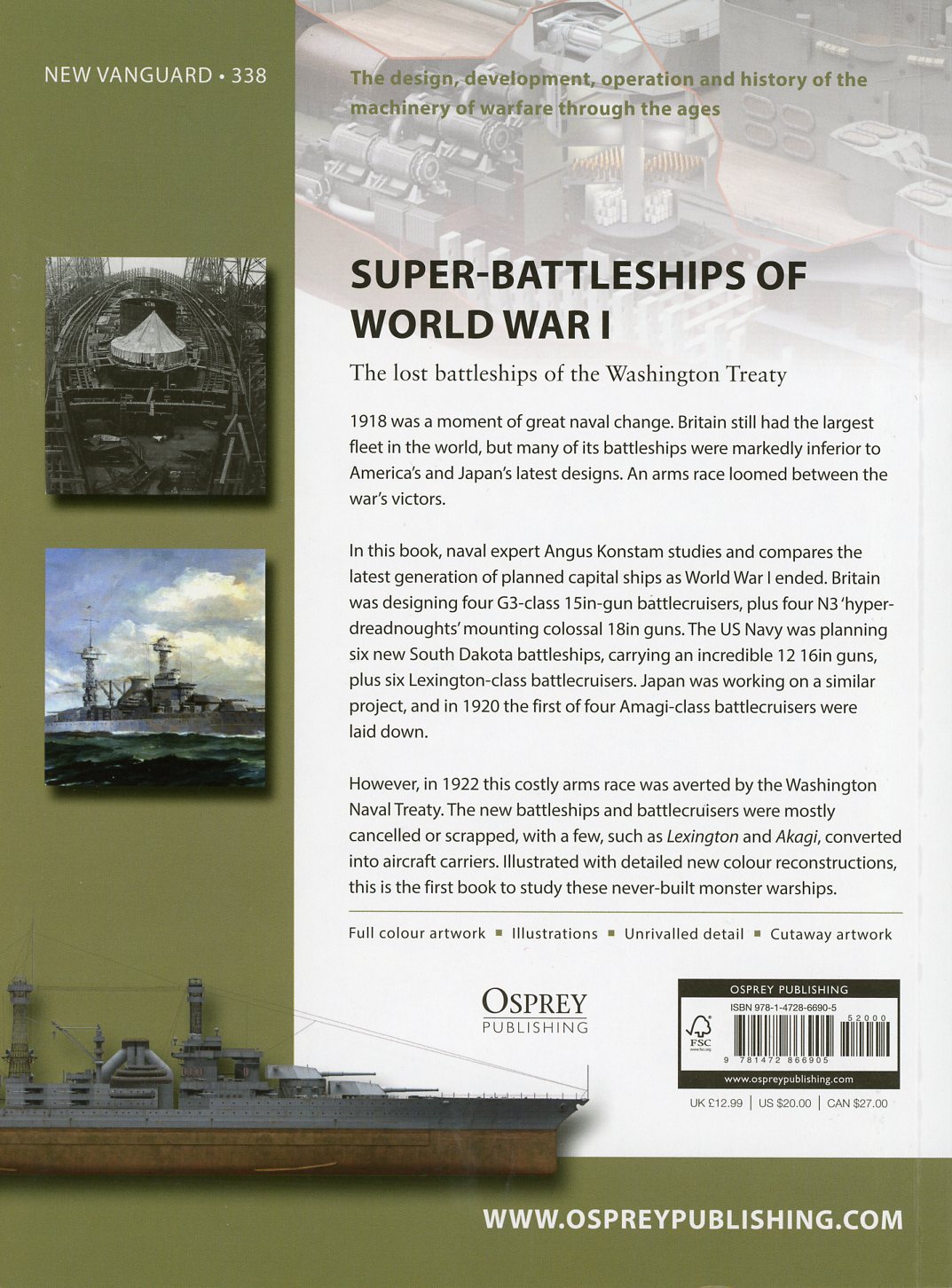
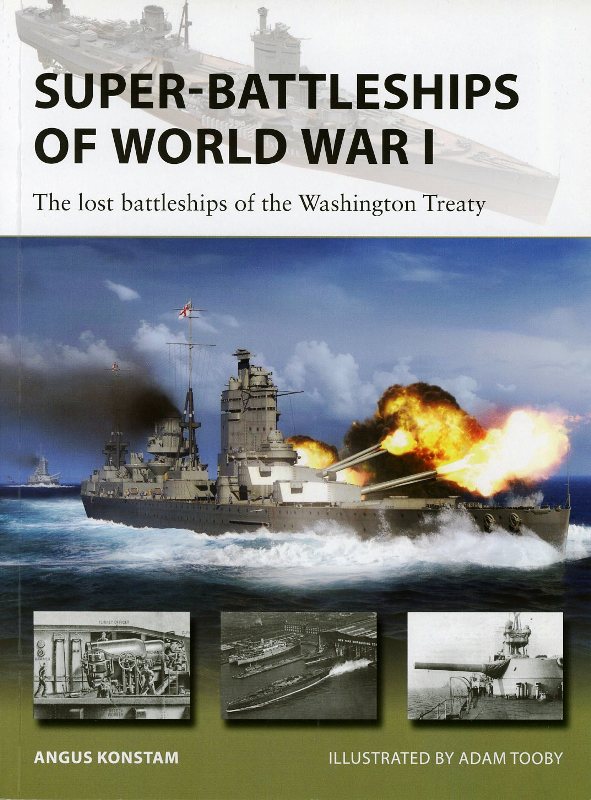
Super-Battleships of World War I
by Angus Konstam
| Reviewed by
Martin J Quinn March 2026 |
|||||||||
|
BACKGROUND
Immediately
after World War I, Britain still had the world's largest
and most powerful navy, followed by the United States
and, more distantly, by Japan, France and Italy. The
British Royal Navy interned the defeated German High
Seas Fleet in November 1918. The Allies had differing
opinions concerning the final disposition of the
Imperial German Navy, with the French and Italians
wanting the German fleet divided between the victorious
powers and the Americans and British wanting the ships
destroyed. The negotiations became mostly moot after the
German crews scuttled most of their ships on June 21,
1919. *Background of the Washington Naval Treaty from Wikipedia. |
|||||||||
| This
48-page book looks at the ships that were both laid down
and on the drawing boards of the major navies, which were
subsequently canceled, due to the Washington Naval Treaty.
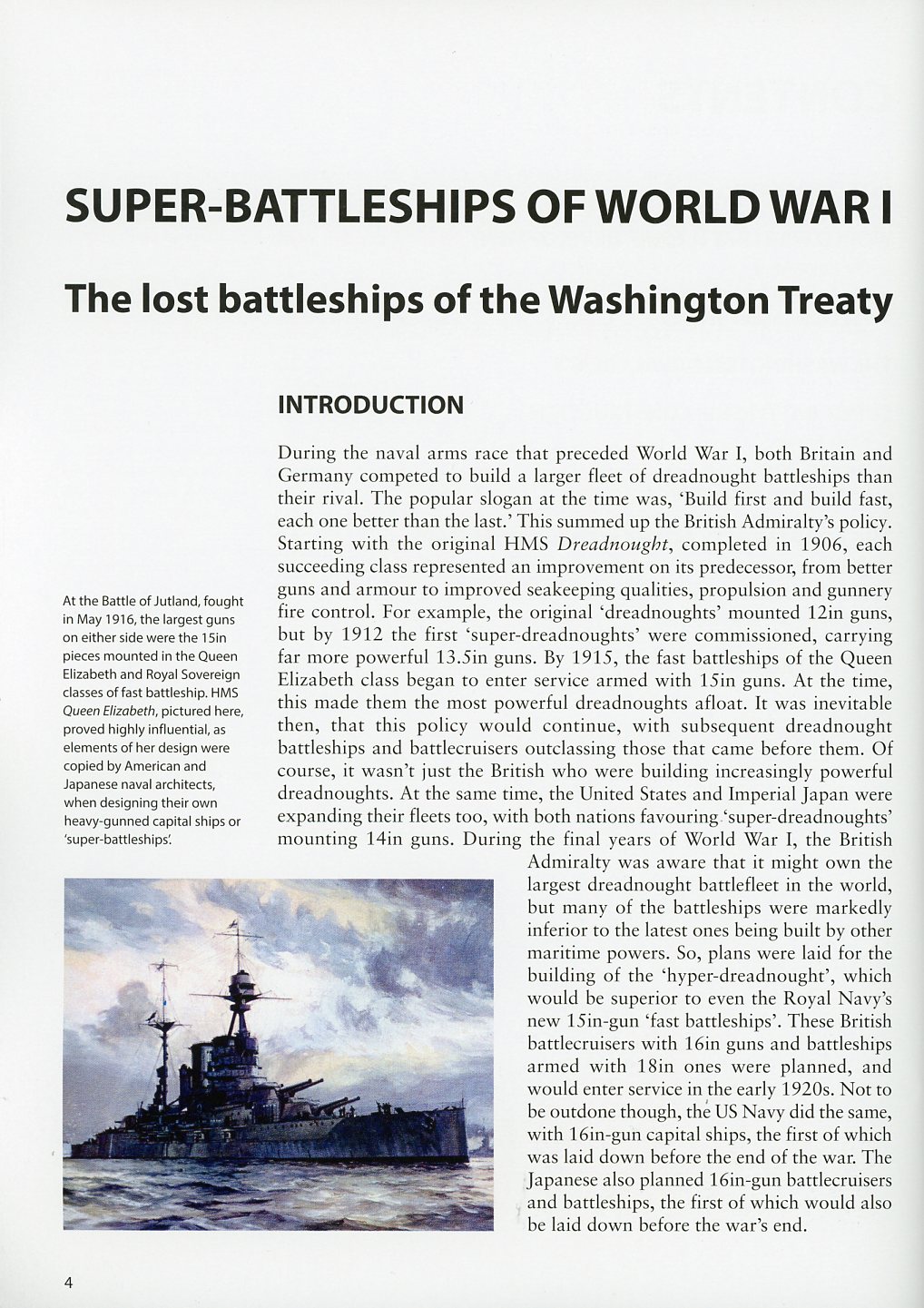
It is is laid out laid out with an introduction and four
subsequent chapters:
- Chapter
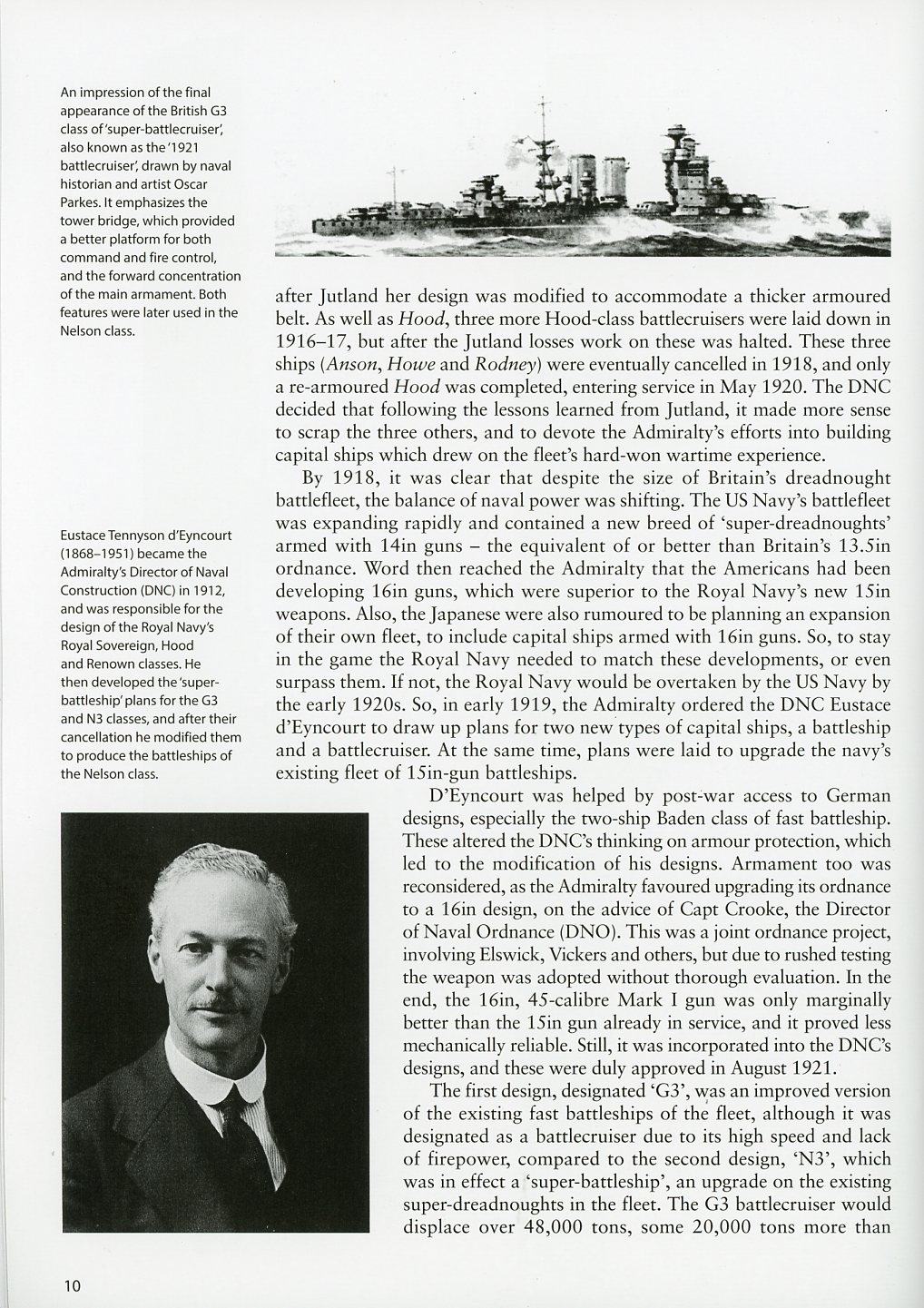
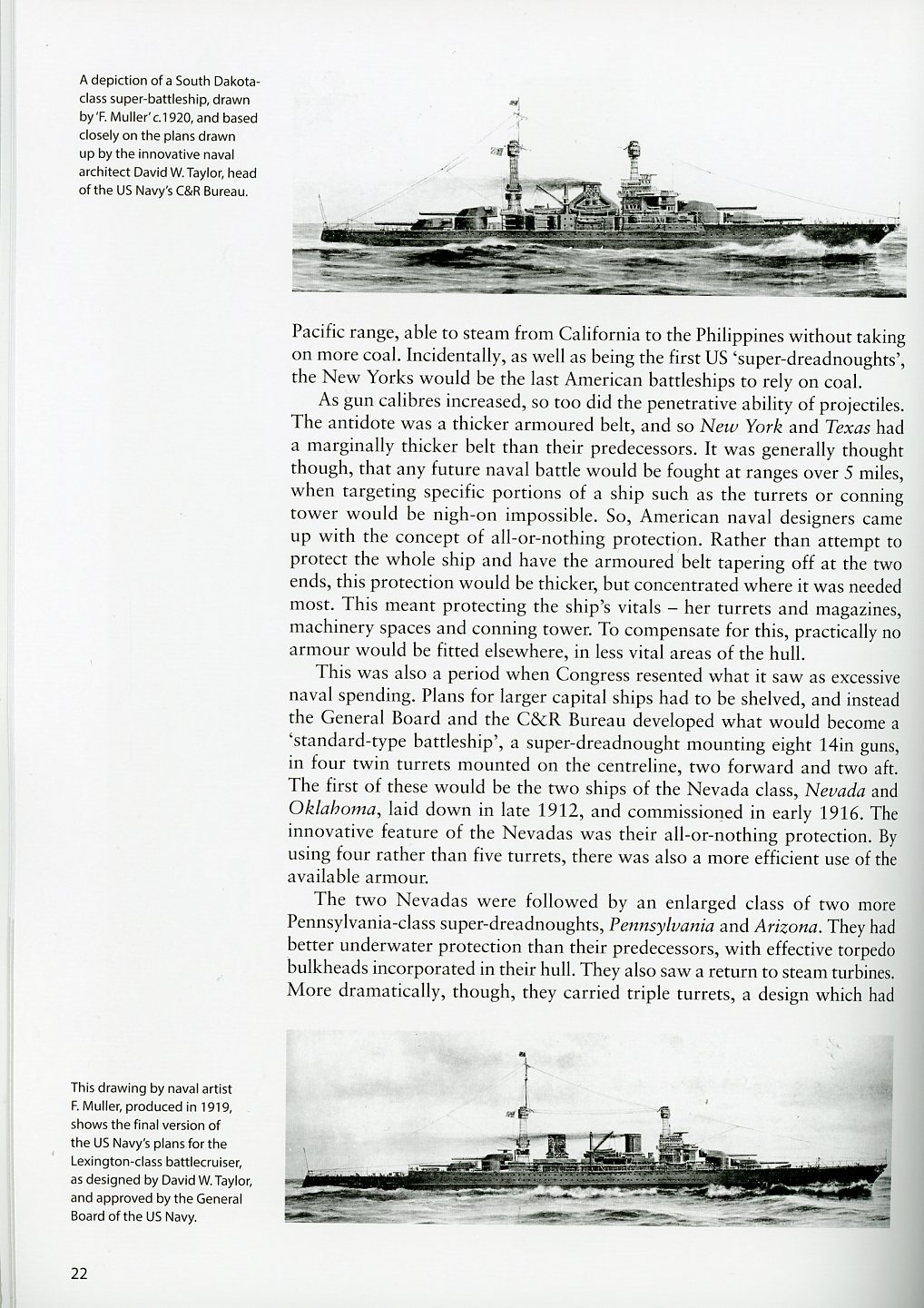
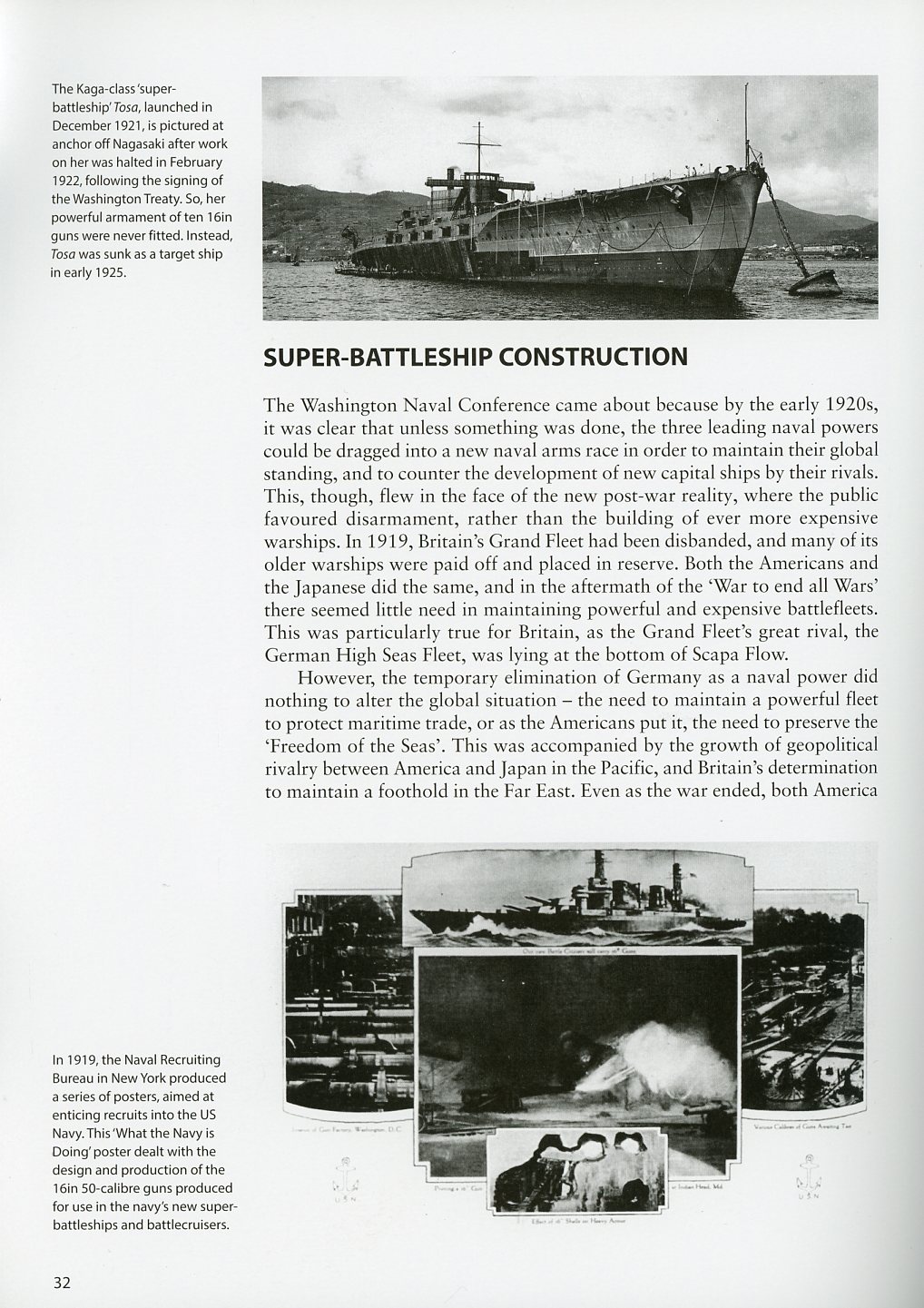
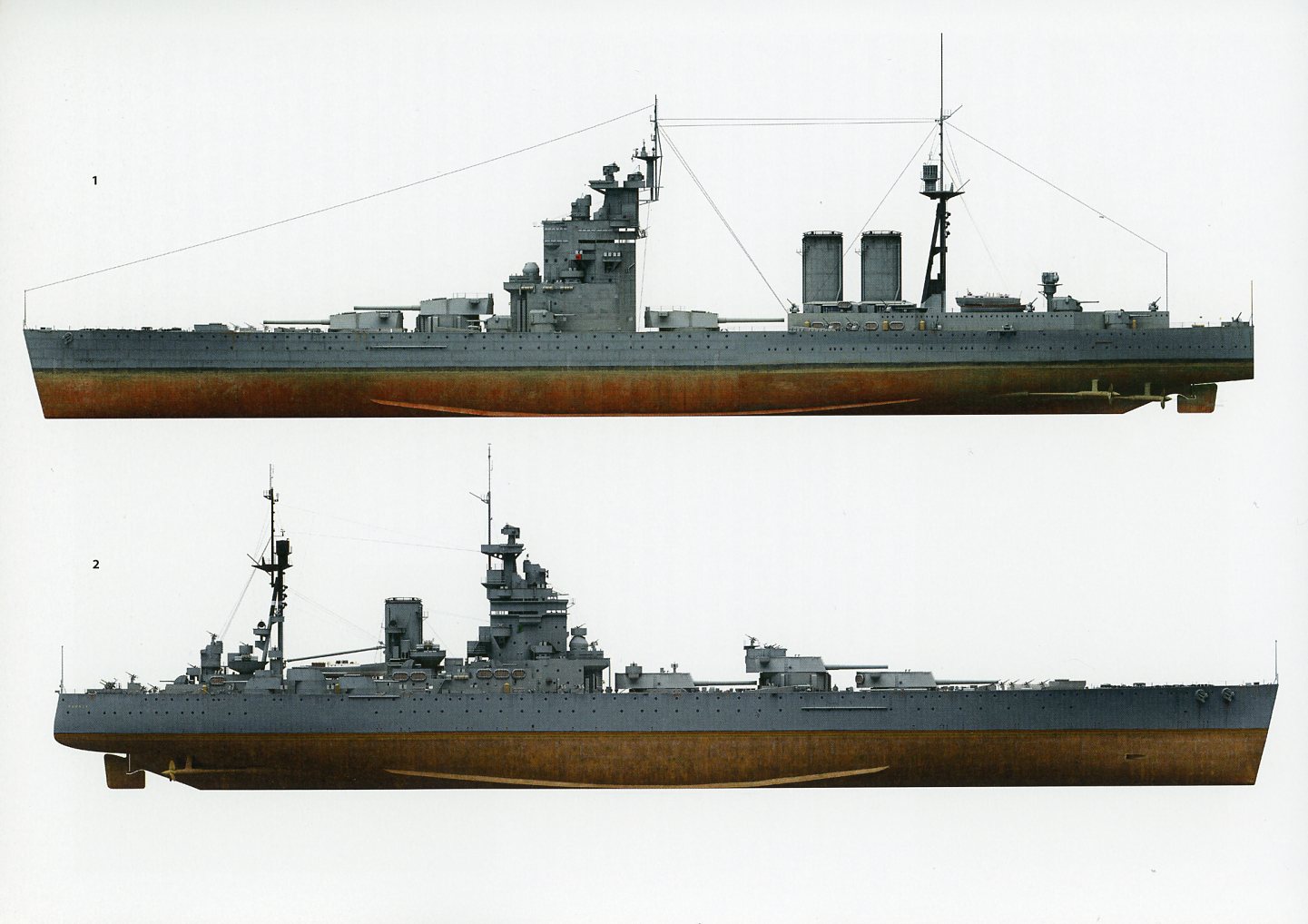
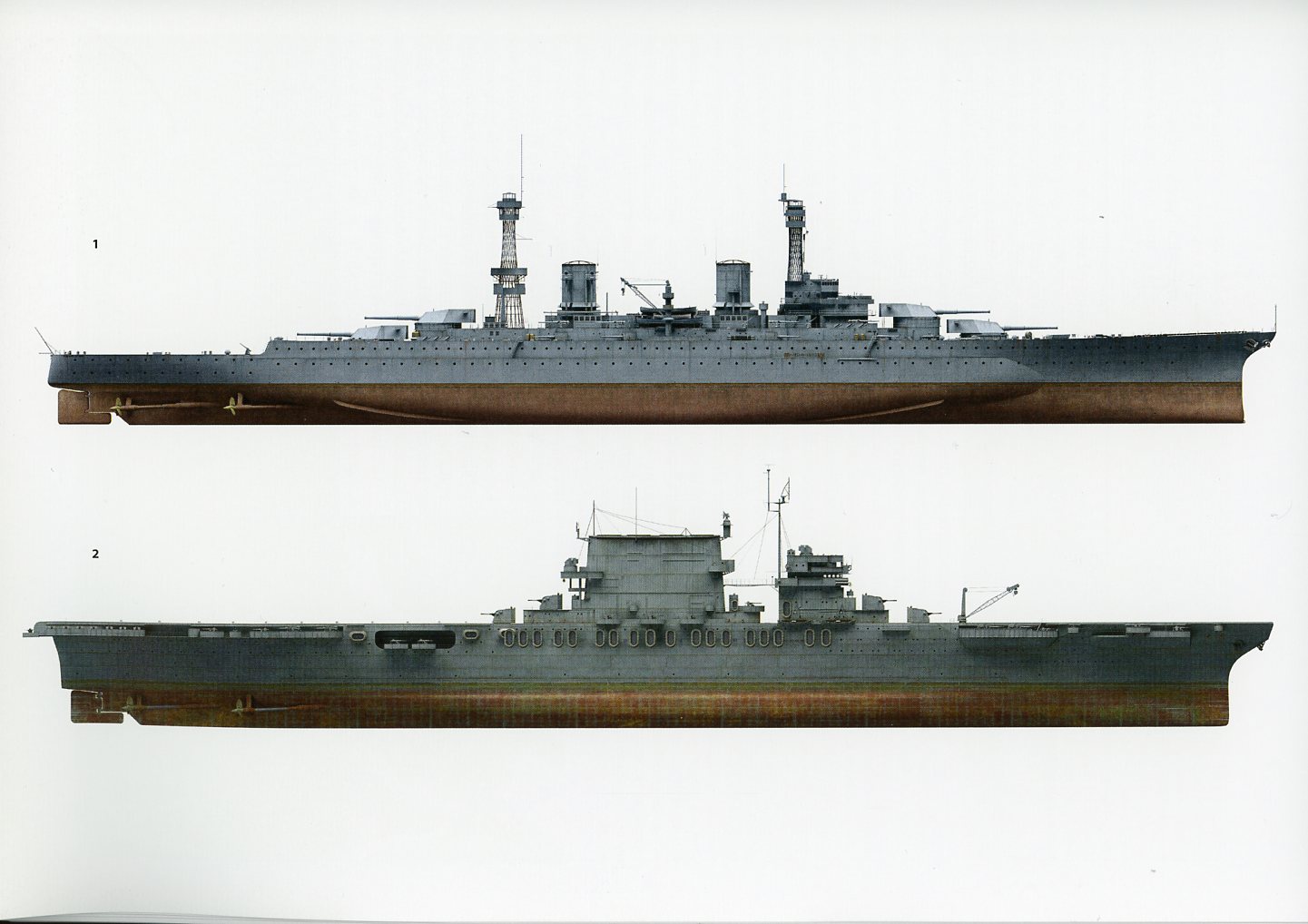
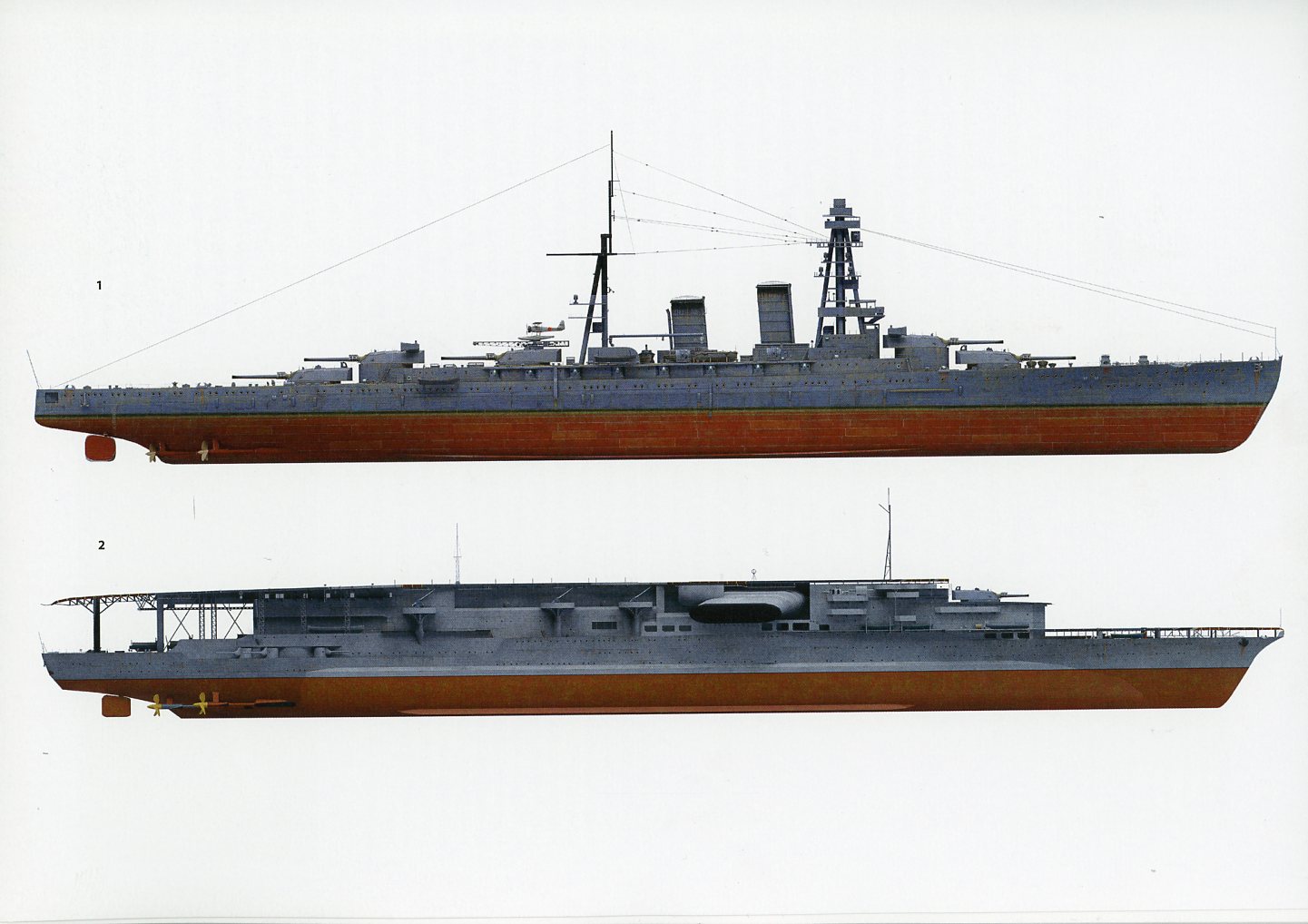
1 - World War I Battleship Development There is also a section on "Further Reading" and an Index. There are lots of period drawings, photos and a number of illustrations, as well as numerous tables. The illustrations reange from profile views of the planned ships to some more dramatic "in-action" scenes. There is also a two page cutaway drawing of the planned, but never started British N3 battleship, spread across two pages. I read this book from cover to cover and found some inconsistencies and what I think may be factual errors. Some examples: Page 11: The author mentions that the G3 battlecruiser were going to be named after the patron saints of the UK: St George, St. Patrick, etc, though he also mentioned they "may" have also been named after the World War 1 battlecruiser (Invincible, etc). He contradicts this later in the book, stating the G3 class ships would have been named after the WW1 battlecruiser, then names the N3 cutaway as "HMS St Greorge". (From what I had read previously , the plan was that the G3s would have been named after previous battlecruisers and the N3s after the patron saints). Page 18: The author states that the Akagi was to be scrapped, but was instead converted to a carrier because of the damage to Amagi. In fact, both Akagi and Amagi were going to be converted, until Amagi was damaged in dry-dock during an earthquake. Kaga was then converted instead (he gets this correct on page 37). Page
22: He speaks of the "four twin turrets of
Oklahoma and Nevada". Oklahoma and Nevada
has 2 twin turrets, but also two triple gunned
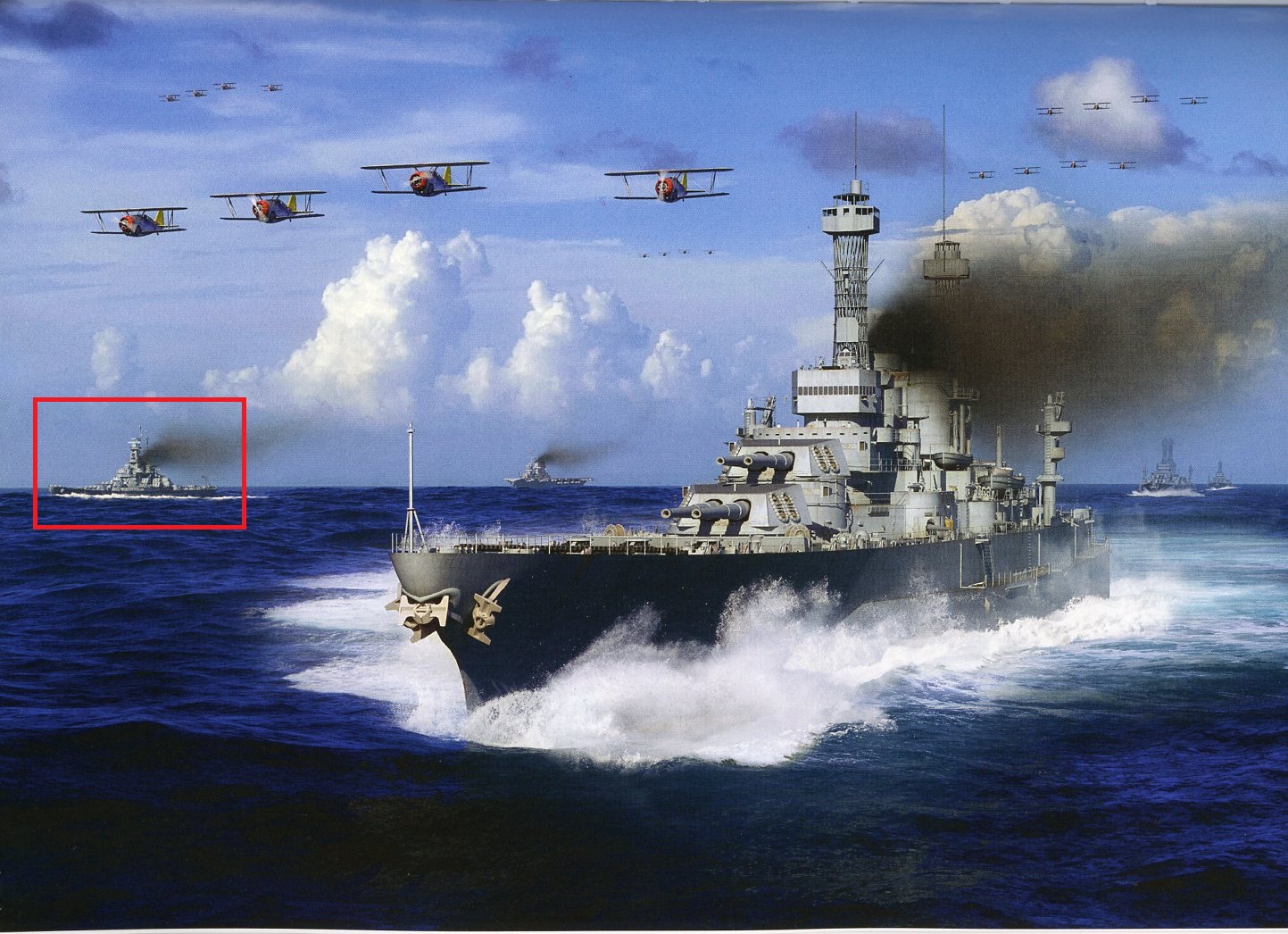
turrets. The illustrations are mostly well done, but on page 31, there is a painting of a fictional US fleet at sea, with a Lexington-class battlecruiser, with a Saratoga as a carrier, and a South Dakota class battleship. The problem is that the South Dakota in the art work is BB-57, NOT BB-49, which was the class started, but never completed. That is really poor editing. |
click to enlarge images |
||||||||
|
|
|||||||||
|
|||||||||
| Conclusions: Having always been intrigued by the designs of these magnificent warships, especially the USN's Lexinton & South Dakota, and the endless "what-if" scenarios if some of them had been completed, I picked up this book, and the subsequent volume on "Super-Battleships of World War 2" online. At first glance it looked pretty good, but once I read it more thoroughly, I was disappointed in it. While the illustrations are, outside of the glaring issue of having BB-57 time travel to the 1930's, pretty nice, there are too many inconsistencies and errors in the text for me to recommend it. Unless you just want it for the illustrations, I'd pass. This is Super-Battleships
of World War I, The Lost Battleships of the Washington
Treaty, by Angus Konstam. Published by
Osprey Publishing, ISBN 978-1-4728-6690-5.
The book retails for $20.0, and is available to order
online. I purchased mine from Amazon.
|
|||||||||

© ModelWarships.com